

























































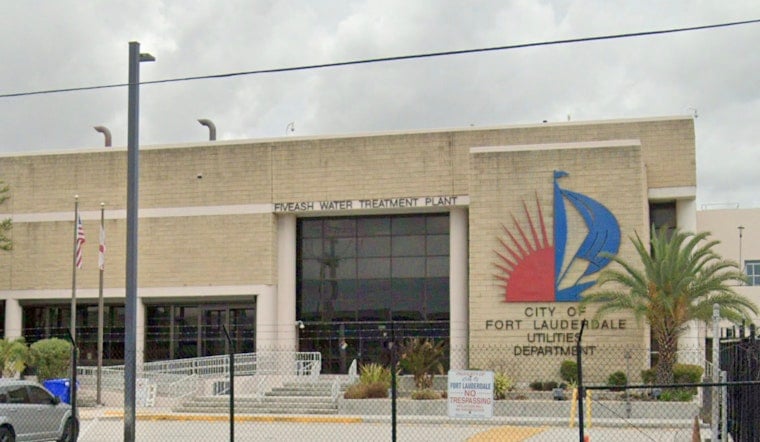
Fort Lauderdale taps that have been running the color of weak iced tea could finally clear up this fall. The Prospect Lake Clean Water Center, the long planned replacement for the aging Fiveash plant, is scheduled to begin service in September 2026 and is expected to supply most of the city’s drinking water. Officials say the new membrane based treatment should brighten up the water and sharpen the taste for Fort Lauderdale and neighboring communities.
What the plant does
The Prospect Lake Clean Water Center is designed to turn out about 50 million gallons of treated water per day, using a membrane first setup that pairs nanofiltration with ion exchange polishing. According to IDE Technologies, that combo is built to strip out tannins and organic color and is also intended to reduce PFAS and other trace contaminants. Project materials say the membrane trains should curb chemical use while still delivering clearer, better tasting tap water.
How it was paid for and who will run it
The project moved ahead as an unsolicited public private partnership that hands design, construction and day to day operations to Ridgewood Infrastructure and IDE under a 30 year contract. The City of Fort Lauderdale puts the project value at roughly $666 million, and the financing package mixes city bonds with private capital, according to PR Newswire. Under the P3 structure, construction and long term operating risk sits with the private team, while city backed borrowing is used to keep overall financing costs lower.
Timeline for the switch
Officials say the new plant will begin coming online this fall, with commercial operation targeted for mid September 2026. The switchover will be staged, with Prospect Lake and Fiveash running side by side for about 30 days to smooth out the change. During that overlap, crews plan to balance flows and run final checks before older systems are fully retired. Those timing and transition details were reported by the Sun Sentinel.
Why some taps have been yellow
The yellow or tea colored look that has frustrated residents comes mainly from tannins and other organic material in some of the raw groundwater the city pulls from the Biscayne aquifer. Fiveash relies on lime softening and filtration, a process that is less effective at removing that organic color than membrane treatment. IDE Technologies says the new nanofiltration and ion exchange steps are specifically designed to strip out those organics, restore clarity and improve taste.
Officials on taste, PFAS and emergency backup
Project staff stress that the overhaul is about more than looks in the glass. The membrane trains are expected to knock PFAS and other contaminants down to lower levels while also making the water taste better. "It's almost like a recipe, what makes water taste good is the minerals," Joey Padron told the Sun Sentinel, describing the treatment blend. Legal and project documents also highlight resilience. The plant is being engineered to withstand a Category 5 hurricane, according to White & Case, and partners say emergency power and onsite fuel are planned to keep critical systems running through outages.
What residents should expect during the switchover
The city has warned that short term shifts in water color and minor taste changes are possible while crews flush lines and bring the new plant online. City notices emphasize that the water meets safety standards and advise residents to run taps or use in home filters if discoloration shows up, according to the City of Fort Lauderdale.
Project officials and partners describe Prospect Lake as a long term fix for an aging system and a showcase of the P3 model for modernizing critical infrastructure. Ridgewood and IDE have characterized the effort as an award winning collaboration in their announcement on PR Newswire.



