

























































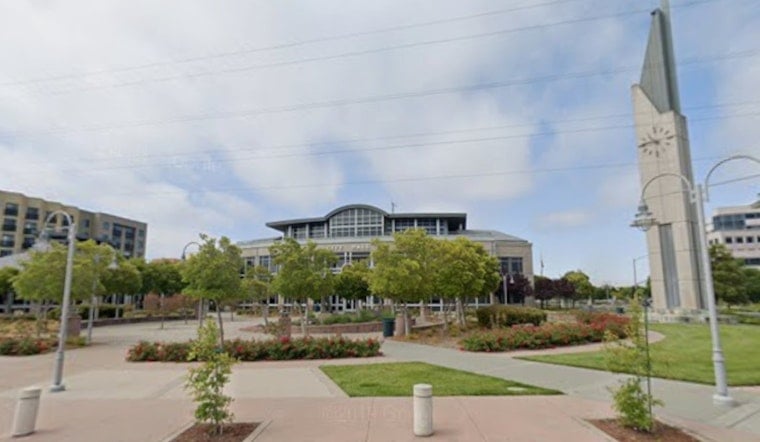
Foster City’s political map is getting a serious redraw. This November 2026, the city will abandon its long-running at-large City Council system and, for the first time, let neighborhoods choose their own representatives. Voters in Districts 1 and 2 will elect councilmembers to four-year terms, while the remaining districts will follow two years later. After months of hearings, maps, and public comment, the new system is set to change which names show up on plenty of local ballots.
When and what’s on the ballot
The statewide General Election is scheduled for Nov. 3, according to the California Secretary of State. On that date, Foster City voters in Districts 1 and 2 will see their first-ever district council contests on the ballot for full four-year terms.
How the lines were drawn and why
At a public hearing on Dec. 2, 2024, the City Council finalized its new district map and adopted Ordinance No. 685, locking in the election schedule with Districts 1 and 2 on the 2026 ballot and Districts 3–5 following in 2028, according to the City of Foster City. The city held workshops and multiple public hearings in late 2024 and posted draft maps and supporting documents online. Meetings were held in the City Council Chambers at 620 Foster City Blvd., where residents weighed in on how the new district lines should look.
Who’s running so far
Unofficial candidate trackers, including The Ballot Book, currently list Mayor Art Kiesel, Councilmember Stacy Jimenez and community candidate Phoebe Venkat as early entrants. Venkat has also shared campaign updates on her website. These early moves are not the final word, since more hopefuls typically surface once the formal nomination period opens and local forums kick into gear.
Official filings and how to get information
The City Clerk’s office reports receiving three Form 501 candidate intention statements so far: Stacy Jimenez (District 2), Phoebe Venkat (District 1) and Art Kiesel (District 1), according to the City of Foster City. Residents can review district maps, presentations and a detailed timeline on the city’s district-elections webpages, and can send questions about the transition to [email protected].
Legal background
The shift to district elections followed a certified demand letter and the city’s choice to use the state’s safe-harbor process for moving from at-large to by-district voting. The California Elections Code §10010 spells out the required public hearings, publication rules and election sequencing steps jurisdictions must follow to qualify for that safe-harbor timeline.
What to watch next
Over the coming months, expect more candidate filings, neighborhood forums and campaign events as the nomination window opens and the November ballot gets locked in. San Mateo County Elections publishes the official election calendar and vote-center details for the Nov. 3 ballot. Voters should keep an eye on local event listings and City Clerk updates for the latest filing deadlines and forum schedules.





