

























































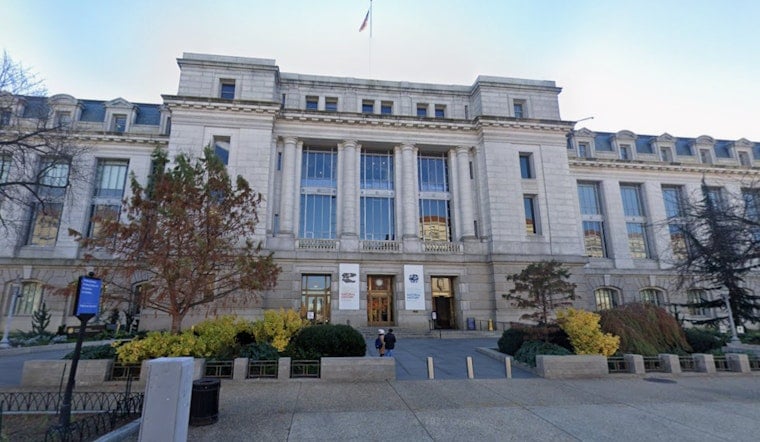
A new exhibition at the Smithsonian’s National Museum of Natural History is putting the whole country under one roof, with a distinctly D.C. twist. "From These Lands: Sharing Our Natural and Cultural Heritage" opens Thursday, June 18, filling a 5,000-square-foot gallery with more than 600 specimens and cultural objects from all 50 states, the District of Columbia and five U.S. territories. Visitors will find everything from fossils and gemstones to cultural belongings, including the preserved carcass of the last known passenger pigeon, plus a local vignette focused on the Anacostia River and the return of its wild rice beds.
What’s on View
According to Smithsonian Institution, the show draws from the museum’s 148 million-object collections and is slated to remain on view through December 2029. Curators built the gallery around thematic sections, from “Dazzling Diversity” to “Restoring Relationships,” to highlight how geology, ecology and human culture intersect across different regions. Many of the pieces have rarely been displayed and are intended, the museum says, to spark conversation about past loss and the possibility of future recovery.
How D.C. Fits In
Kirk Johnson, the museum’s director, described the exhibition as “a big, broad view of our nation” and added that “natural history is everything,” comments reported by WTOP. WTOP also notes that the District’s contribution includes a section on the Anacostia River, spotlighting restoration work and the resurgence of wild rice that supports habitat and improves water quality. Museum leaders say that weaving local narratives like this into a national storyline is crucial to showing how communities both shape and are shaped by the natural world.
A Cautionary Specimen
The gallery will feature “Martha,” the last known passenger pigeon, whose body was frozen and preserved after her death at the Cincinnati Zoo in 1914. Her story is presented as a warning about how human actions can wipe out a species, according to Smithsonian. Martha’s display, alongside a lineup of both vanished and recovering species, is designed to prompt visitors to reflect on conservation and the responsibilities that come with stewardship. Curators pair these cautionary tales with community-led recovery efforts to highlight concrete paths toward restoration.
Interactive Elements and Public Programs
The exhibition also leans into interactivity. Visitors will encounter multimedia features ranging from animated map projections that connect shared landscapes to a hands-on state-symbols activity, and the show will be accompanied by a companion book and year-round public programs, as reported by Smithsonian Magazine. Lead sponsorship comes from Esri, with additional backing from donors who supported individual states. The museum describes the project as part of a broader Smithsonian slate marking the nation’s 250th anniversary.





