

























































Tired of crawling down I-77 between Charlotte and Rock Hill? A small band of rail fans thinks the solution is already sitting on the tracks.
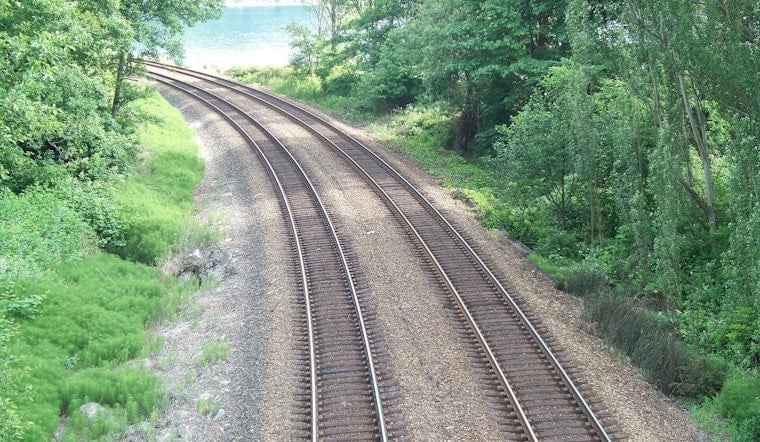
All Aboard Charlotte, a volunteer rail-advocacy group, this week floated a commuter rail concept that would run passenger cars on existing freight tracks between Uptown and Rock Hill, South Carolina. Their pitch: instead of pouring more money into wider interstates and new lanes, reuse the rails that already shadow the corridor and give drivers a way to leave the car at home.
What supporters are pitching
Chris Wallace of All Aboard Charlotte told WBTV that running commuter cars on the existing line could cut into I-77 traffic while avoiding higher costs and neighborhood upheaval. He compared the idea to the long-discussed Red Line, noting that CATS' most recent estimate for roughly 25 miles of that project was about $1.53 billion and arguing that "the turnaround time to the taxpayer is way better."
Organizers stressed they are advocates, not engineers, and described the concept as a conversation starter rather than a polished blueprint. In other words, they are trying to see if the public even wants this before anyone starts drawing up detailed plans.
Where the Red Line fits
CATS' 2030 Transit Corridor System Plan lays out a roughly 25-mile Red Line commuter rail corridor running north from Center City as a way to shift commuters off I-77 and onto trains, according to CATS. That vision has been around for years, and it has already shown how messy big rail projects can get.
Charlotte moved last year to acquire large portions of the O-Line from Norfolk Southern to advance the Red Line concept, an expensive and politically tricky step that laid bare how issues like track ownership and funding can slow rail efforts, as reported by The Charlotte Observer.
Hurdles: freight control and cross-border politics
Any commuter service that shares or parallels freight tracks would depend on deals with the freight operator, plus coordination between North Carolina and South Carolina transportation agencies. None of that happens quickly, and none of it comes cheap.
At the same time, plenty of decision-makers are still focused on asphalt. York County recently locked in about $62 million from the state infrastructure bank to help move a $106 million redesign of the I-77/Exit 82 interchange forward, highlighting how road fixes continue to dominate the corridor conversation, per Rock Hill's I-77 traffic nightmare. Rail advocates say those highway projects and their commuter-rail concept are part of the same larger debate about how people will move through the region over the long haul, but they argue trains could ultimately give drivers a way out of the daily grind.
What’s next
All Aboard Charlotte plans to keep talking with residents and experts to gauge interest and gather technical feedback before anyone attempts a formal proposal. A real plan would need support from CATS, NCDOT, SCDOT and the freight railroad, along with funding and environmental reviews that could stretch on for years.
For now, their message is simple: before the region commits to more pavement along I-77, take a hard look at the steel that is already in the ground.





