

























































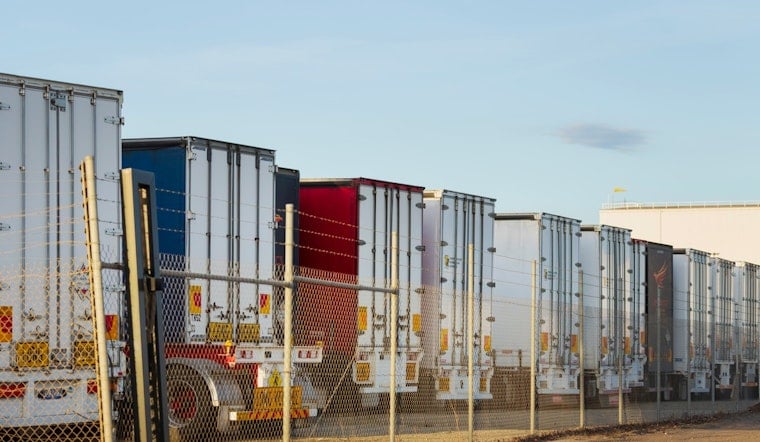
Across Memphis, those “empty” gravel lots and fenced-in fields are not so empty anymore. Parcels that once read as vacant land are quietly turning into secure industrial outdoor storage where fleets park, containers get staged, and heavy equipment waits for its next job. Investors and operators are snapping up land near interstates and railyards, turning greenfield tracts into low-cost, revenue-generating truck yards. The shift is reshaping neighborhoods along the city’s logistics spine and sparking new zoning battles and safety questions.
What Industrial Outdoor Storage Looks Like
Industrial outdoor storage is a low-building, land-heavy type of real estate used to hold trucks, trailers, and containers between moves in the supply chain, as reported by Daily Memphian. Broker photos and market listings show sites that are deliberately bare-bones: paved or graveled lots behind chain-link fencing, with lighting and cameras instead of traditional warehouses. That minimal buildout keeps costs down and makes the use relatively easy to drop into key logistics corridors.
Why Memphis Is a Magnet
Memphis sits at the crossroads of major interstates, multiple Class-I railroads, and a major cargo airport, which helps explain why staging yards look so attractive here. Memphis International Airport notes it remains North America’s busiest cargo airport, and FedEx describes the Memphis World Hub in its annual report as the company’s primary sorting facility. Brokers say those freight anchors keep demand high for land clustered around the airport, intermodal yards, and major highways.
Who’s Buying the Gravel?
Both homegrown operators and networked yard providers are moving into the market. In a company release, Outpost said it added a Memphis yard as part of a national expansion of managed truck-parking sites and described the local property as a multi-acre yard available for reservation. The announcement came as part of a broader push into major logistics hubs.
Commercial real estate reporting and broker notes show industrial outdoor storage has broken out as a distinct niche that investors are chasing in Sun Belt markets. Research from Colliers and similar market writeups points to rising investor interest in IOS elsewhere as well.
Zoning and Safety Fights
Not every project glides through the approval process. City planning records show a recent planned-development proposal for a drop yard near East Shelby Drive (case PD-2024-013) raised staff concerns about traffic impacts, neighborhood character, and consistency with the Memphis 3.0 plan, and the land-use board recommended rejection pending further review. The City of Memphis planning documents lay out the staff analysis and the next procedural steps.
The applicant has argued publicly that fenced, monitored yards would cut down on illegal overnight parking, idling, and cargo theft at informal truck stops, with those claims outlined in the developer’s outreach materials. Capital Drop Yard frames the project as both a public-safety measure and a way to support driver supply in its filings.
Big Picture: A National Parking Crunch
The fight in Memphis mirrors a national problem. The latest Jason’s Law update from the Federal Highway Administration found roughly 313,000 truck-parking spaces nationwide versus millions of commercial drivers, leaving busy freight corridors chronically short and encouraging ad-hoc staging on shoulders and ramps. Surveys and follow-up work by FHWA make truck parking a continuing freight-infrastructure priority.
That squeeze helps explain why real estate buyers can make the numbers work on gravel yards near Memphis’ freight backbone: they are quick to activate, require little capital spending, and sit precisely where shippers need temporary space. The tension between neighborhood impacts and freight needs is still unresolved, though, which means the next rounds of planning hearings will determine whether these yards remain a patchwork of individual deals or evolve into a more formally regulated part of the city’s logistics infrastructure.



