

























































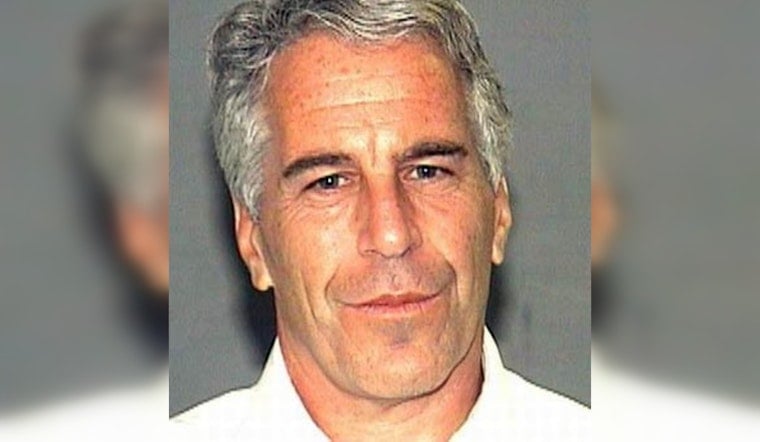
Newly released Justice Department records paint a blunt picture of how Jeffrey Epstein handled Haiti’s 2010 earthquake relief: as if it were a branding opportunity. He offered up a Gulfstream jet for aid flights, hurried to splash a school donation into the spotlight, and bought high-priced charity tickets that promised publicity. On paper, it looks less like straight-up disaster relief and more like reputation rehab, unfolding while Port-au-Prince struggled to rebuild and while Epstein worked to stay wired into Miami’s social and financial circles.
Roughly two weeks after the magnitude 7.0 quake on Jan. 12, 2010, relief organizers asked Epstein’s team if they could borrow one of his Gulfstream jets to move medicine, food and medical staff to Port-au-Prince. They dangled a perk: they would arrange “media coverage” if he joined in. Epstein’s reply, now quoted in the public files, was, “I will do it, if we can protect the interior.” The emails form part of the Justice Department’s production, as reported by the Miami Herald. The quake killed an estimated 230,000 people, according to the CDC.
School donation drew quick pushback
The records show Epstein moved quickly to promote a $25,000 contribution tied to the Edeyo Foundation’s Ecole du Bel-Air project in Port-au-Prince. Internal messages, now included in the public Epstein Library and related uploads, show the foundation’s board warning its founder against taking the money. According to the documents, the donation was ultimately returned. Those communications are part of the material released by the Department of Justice, which says the new files include a mix of contemporaneous investigative notes, emails and routine correspondence that reporters are still working through. For more on the release, see the Department of Justice.
Cannes ticket and celebrity networks
In 2012, the records show a media publicist urging Epstein to buy a $5,000 ticket to Sean Penn’s “Haiti: Carnival in Cannes” benefit on May 18. Epstein’s staff arranged the payment, in an exchange that reporters say was explicitly linked to getting favorable coverage. The Cannes program confirms the benefit, listed in the official schedule at Festival de Cannes. Follow-up reporting that pulls together the same email threads in the Justice Department’s trove has been summarized by The Haitian Times via URL Media.
Why the documents matter
With the size of the Justice Department’s production, context is everything. The files mix vetted investigative material with tip-line messages and everyday back-and-forth, which means every name and line needs careful reading. The department says it has made more than three million additional pages public under the Epstein Files Transparency Act, and analysts expect journalists to be digging through it for months. The scope of the release is detailed in a Department of Justice press release, with broader analysis of the fallout in The Atlantic.
Within that pile, some emails show Epstein discussing a possible trip to Port-au-Prince and calling Haiti “a safe place to park money.” The public records do not show that a planned meeting with then-President Michel Martelly actually took place. The Miami Herald reviewed those exchanges. Martelly was later hit with U.S. sanctions in 2024. For the formal designation, see the U.S. Department of the Treasury.





.jpg)