

























































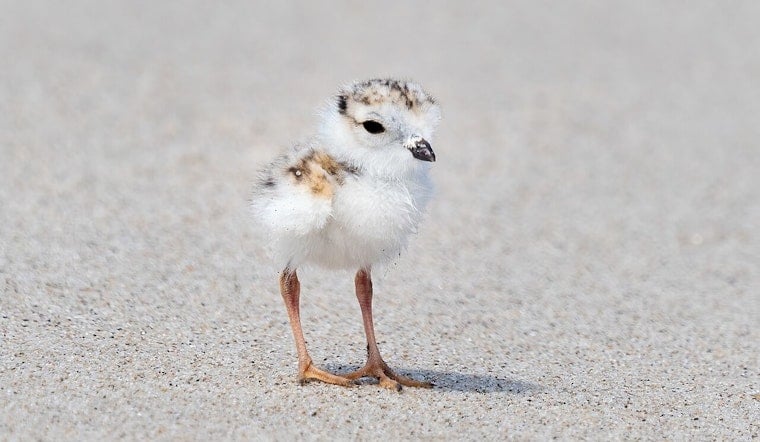
Montrose Beach is grieving the loss of a piping plover chick nicknamed Mavis, a tiny bird who had quickly become a local favorite. Volunteers said Mavis, one of four chicks that hatched in mid June to the adults Sea Rocket and Imani, has died. Scientists and volunteer monitors are now looking into what happened while keeping close watch on the three surviving chicks.
The loss was shared by the volunteer network that monitors the Montrose plovers and was first reported by Block Club Chicago. In a social post quoted by the outlet, the Chicago Piping Plovers group wrote that the "little one" is "not just a star but our flame" and asked people to hold off on questions while investigators work to determine a cause.
Family At Montrose
The adults, Imani and Sea Rocket, have nested on the Montrose dunes for several seasons and are part of a larger Great Lakes recovery effort, according to the volunteer group that coordinates monitoring at the site. The organization notes that Imani is a son of the original Montrose pair and that Monty, the formerly famous Montrose plover, died in 2022 from a fungal and respiratory illness, a reminder of how fragile every breeding season can be. Chicago Piping Plovers runs the local volunteer effort and regularly posts updates on the birds.
Names, Community Affection And The Contest
Earlier this week the four hatchlings received names through a local contest, becoming Buddy, Frankie, Mavis and Tweedy, in a nod to Chicago music icons. The naming, covered by local outlets, turned into a small neighborhood event. WTTW and other outlets reported on the contest and the surge of attention the chicks drew, which volunteers say helps keep the community engaged in protecting the dunes.
Why Every Chick Matters
Great Lakes piping plovers remain federally endangered, and the regional population has only recently crept into the roughly 80 pair range, which conservationists say makes every successful chick important for recovery. Audubon Great Lakes has documented the species slow rebound but continues to warn that serious threats remain. Predation is one of those risks. Last year, a Montrose chick nicknamed Ferris was killed by a red tailed hawk, a loss volunteers and reporters detailed in the Chicago Sun-Times.
Monitoring And The Public Role
The Chicago Park District and volunteer teams rope off sections of dune habitat and post signs to keep people and dogs away from nests during breeding season, a familiar summer routine meant to cut down on disturbance and boost the chances that chicks survive. The Park District urges beachgoers to respect barriers and follow posted guidance while monitors do their work.
Volunteers say they will continue daily monitoring and will share updates once investigators complete their review of Mavis death. For now, the focus is on protecting the three remaining chicks and on the slow, collaborative effort that has brought piping plovers back to Chicago beaches in recent years.





.jpg)