

























































Phoenix Fire Department crews have already raced to 74 mountain rescues across Camelback, Piestewa and South Mountain between Jan. 1 and May 20, 2026, a spike that officials say is more than 50% higher than during the same stretch last year. The jump comes even as the city tightens rules and adds new gear at some of its busiest trailheads.
What the city has added at trailheads
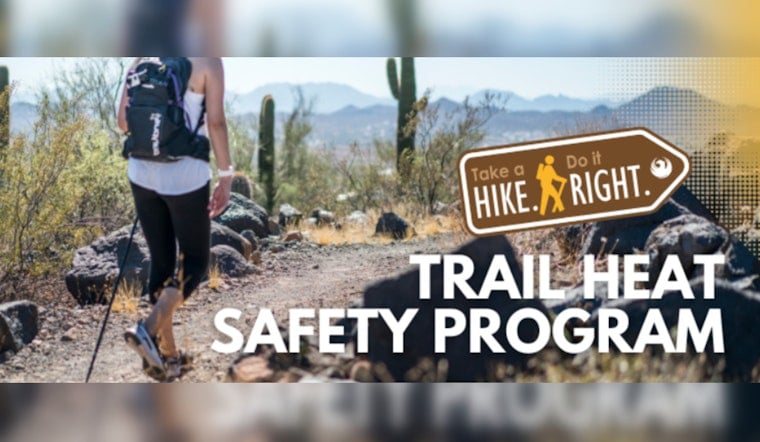
A June 3 council packet details recent upgrades, including automatic gates, electronic message boards and cameras at Piestewa Peak, along with ice machines at several busy trailheads to support rapid cooling during heat-related incidents, according to the City of Phoenix. The Trail Heat Safety Program also restricts access to Echo Canyon and Cholla on Camelback, the Piestewa Peak summit trail and certain South Mountain routes from 8 a.m. to 5 p.m. whenever the National Weather Service issues an Extreme Heat Warning, per the City of Phoenix Trail Heat Safety Program.
Numbers show a troubling uptick
Local data show Phoenix Fire crews were dispatched to 74 mountain rescues in the first five months of 2026, compared with 49 during the same period in 2025, an increase of more than 50%, according to ABC15. Phoenix Fire Captain Rob McDade told ABC15, "We've put every [safety] measure in, and the early numbers are not great."
Closures helped on restricted routes
Since the Trail Heat Safety Program launched in 2021, data show rescues have dropped on closed routes at Camelback and Piestewa, even as South Mountain continues to see more calls, AZFamily reported. The mixed picture suggests that targeted closures can lower risk on specific trails but cannot eliminate heat-related danger across the broader trail system.
Who needs help and when
A city review of patient charts found that heat-related illness, not traumatic injury, made up most cases during the May through September heat season, and a large share of patients listed Arizona as their primary residence, according to a City of Phoenix report. The report also notes multiple multi-patient shifts on forecast days above 100°F and that trail counters show thousands of visitors still heading into the parks even when temperatures top 110°F.
How to hike without becoming a callout
Fire officials are urging hikers to start early, carry plenty of water, slow their pace and focus on getting back down safely. "A successful hike is one that ends safely," Captain McDade said in ABC15's reporting. Councilwoman Ann O'Brien added that living in Arizona does not make a hiker immune to extreme heat and urged people to take extra care.
What comes next
City staff say they will keep exploring real-time trail-status tools and other user-facing technology, while community volunteers and park stewards continue handing out water and cooling supplies at trailheads to help lower risks, according to the city's trail-safety page and local reporting. Officials say the combined strategy of equipment upgrades, time-of-day closures and on-the-ground outreach is meant to reduce rescue calls and ease the burden on crews who must haul heavy gear during complex mountain extractions.





