

























































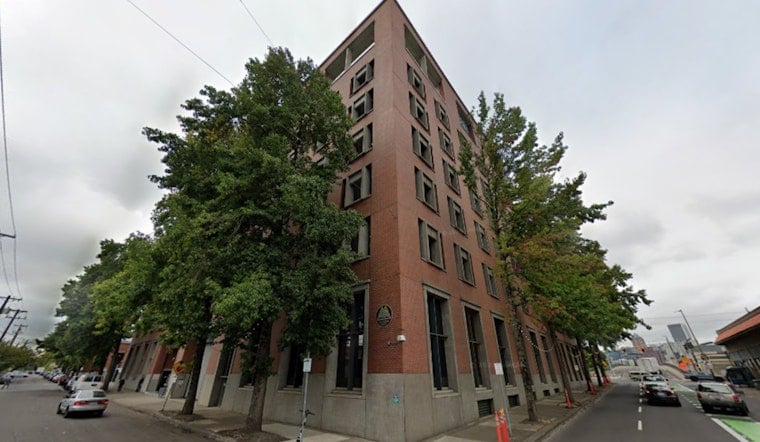
Two days of high-stakes argument in a Portland courtroom this week put Big Oil and Multnomah County on a collision course over who should pay for the deadly 2021 heat dome and its long tail of costs.
Oil industry lawyers told a Multnomah County judge that federal law leaves no room for the county’s state-level claims. They urged the court to toss out or at least pause the case, insisting that federal statutes and precedent preempt local efforts to hold companies liable. On the line is a sweeping claim for billions of dollars tied to heat-related deaths, emergency response and a proposed weatherproofing fund that county officials peg at about $50 billion.
On Wednesday and Thursday, attorneys for the defendants hammered on that preemption theory in Multnomah County Circuit Court, arguing that state tort claims cannot go forward when federal law controls, according to The New York Times. County lawyers pushed back, saying the case is about decades of deception and failures to warn that left local officials flat-footed when the 2021 heat dome hit. The hearing was widely watched as an early test of whether the lawsuit survives procedural attacks or gets shaved down before a jury ever hears it.
Multnomah County filed suit in June 2023, targeting major energy producers and trade groups and asking for a mix of immediate damages, future costs and a roughly $50 billion abatement fund to “weatherproof” county services, according to Multnomah County. The county says 69 residents died during the 2021 heat dome and that taxpayers picked up the tab for cooling centers, medical responses and other emergency measures, as reported by OPB. Plaintiffs argue the scientific record shows the event was made much more likely by fossil fuel driven warming; the companies counter that any link is too indirect for state tort law to reach them.
Inside the Legal Fight
At the center of the hearing is a familiar strategy. After years of pushing climate cases into federal court, the industry is now leaning hard on the argument that federal law wipes out state causes of action entirely. That approach has gained momentum following recent Supreme Court activity and related filings, with companies arguing that a single strong federal ruling could undercut climate liability suits across the map, according to E&E News.
So far, judges in several states have refused to hit pause on similar climate cases while they wait for Washington to weigh in, reasoning that a broad Supreme Court decision might not resolve narrower consumer deception claims at the heart of suits like Multnomah County’s, the Center for Climate Integrity notes. In other words, even if industry lawyers get the big federal ruling they want, they may still have to fight over what was said in ads, reports and internal communications.
County’s Case and Local Stakes
Multnomah County’s legal team says the companies waged a decades-long misinformation campaign that kept local public health systems in the dark about the growing risks, which in turn drove up deaths and emergency costs during the 2021 heat dome. County reports and scientific studies, they argue, back up the claim that the disaster was both foreseeable and far more dangerous because of fossil fuel driven climate change.
In court, county attorney David C. Greenstone argued that the defendants’ “deceptions and failures to warn caused Multnomah County to be woefully unprepared,” a framing reported by The New York Times. The plaintiffs want a jury to decide whether that conduct created a public nuisance and other legally actionable harms under Oregon law, potentially opening the door to a verdict that could reverberate far beyond county lines.
What Comes Next in the Heat Dome Case
Judge Adele Ridenour has taken the defense motions under advisement and is expected to rule on the requests to dismiss or stay the case in the coming weeks. Her decision will determine how much of the county’s lawsuit survives into discovery and trial, a pivotal stage that lawyers on both sides have acknowledged, according to E&E News.
Legal analysts told reporters that even a Supreme Court ruling favorable to the industry might not knock out all of Multnomah County’s deception based claims, which means the case could move ahead on a narrower set of theories. For now, the lawsuit remains one of several closely watched climate accountability cases unfolding in state courts around the country.
County officials say the goal is straightforward: claw back money they argue residents have already spent dealing with the fallout of the 2021 heat dome and build infrastructure that better protects vulnerable communities when the next extreme heat emergency hits. Multnomah leaders cast the litigation as an effort to make major polluters pay for what they call “preventable” harms. Industry defendants say the county is overreaching and trying to upend settled federal law and energy policy. Judge Ridenour’s upcoming rulings will decide whether those competing narratives get tested in full-blown fact finding in an Oregon state courtroom.





