

























































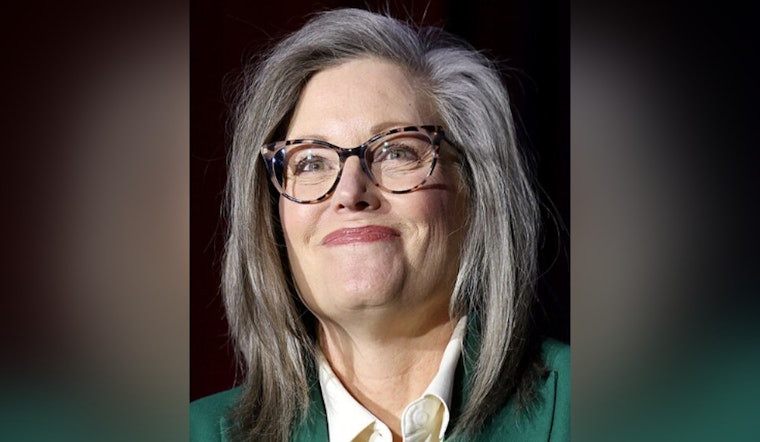
Arizona lawmakers have signed off on a bipartisan plan that could quietly change life on the job for cops, firefighters and 911 dispatchers across the state. SB 1400, now sitting on Gov. Katie Hobbs' desk, would let public-safety agencies build formal wellness and crisis-response programs with new confidentiality protections. Departments would be allowed to offer counseling, peer support and crisis intervention after brutal calls, with limited carveouts for safety and criminal investigations. Backers say the idea is simple: lower the stigma so first responders ask for help before their mental health hits a breaking point.
SB 1400, carried by Senate Public Safety Committee chair Kevin Payne, cleared both chambers and would create a statutory privilege for what is said inside those wellness programs while allowing agencies to pull out anonymized data for training and research, according to LegiScan. The language keeps specific exceptions for situations that involve a clear and present danger, criminal investigations and other disclosures already required by law. Even if Hobbs signs it, the law would be permissive rather than mandatory. Agencies "may" set up programs, but no department is forced to do it.
Voices From The Street
The people pushing hardest for the bill are the ones who see the worst calls up close. First responders who helped craft the measure describe a grind of back-to-back trauma that rarely shows up in the official reports. "They might go from a fatal car accident to a child drowning to then having to give somebody CPR in one shift," Glendale officer Dave Goetia told Arizona's Family. Phoenix firefighter Gary Nolte said the images from those scenes often stay with people long after the sirens stop. Scott Stahl, who helped write SB 1400, added that peer-to-peer support tends to open doors that formal interviews never touch.
What The Sponsor Says
Payne has pitched the bill as a practical way to get mental health help into the hands of people who walk into trauma on every shift. He argues that confidentiality is the key that lets officers, firefighters and dispatchers speak honestly without worrying that every private conversation will bounce back on their careers. His office says the measure tries to walk a line between privacy and public safety by spelling out where disclosure is still required. In a press release, the caucus framed the bill as an attempt to keep accountability intact while knocking down some of the biggest barriers to care, according to Arizona Senate Republicans.
Why It Matters
Research and federal reports have been sounding the alarm for years: first responders experience higher rates of PTSD, depression and suicide than the general public. Stigma and fear of job consequences are some of the most stubborn reasons people avoid treatment. The CDC and NIOSH have warned that law enforcement officers may be more likely to die by suicide than in the line of duty, a comparison advocates lean on when they argue for confidential support, according to NIOSH. Supporters of SB 1400 say putting confidentiality into statute strips away at least one major excuse for not getting help and could limit the long-term damage that piles up over a career.
On The Ground In Glendale
Glendale is already running something close to what SB 1400 envisions. The city has an employee assistance unit that responds when calls involve children, serious crashes or violent deaths, and department staff helped draft sections of the bill. Some officers who worked the Memorial Day shooting scene have been placed on leave so they can focus on their mental health, a move local officials cite as a real-time example of the need the bill is trying to meet, as reported by Arizona's Family. Leaders in the department say peer-to-peer check-ins have a calming effect and are far more likely to spark early, honest conversations than a cold, formal review.
Legal Details And Limits
On paper, the measure builds a legal shield around communications that take place inside wellness or crisis-response programs and then pokes careful holes in that shield. It keeps exceptions for clear and present danger, criminal investigations and certain policy violations, according to the bill text on LegiScan. What it does not do is send new money from the state or force any department to participate. Local agencies and employers would decide whether to launch programs and how to pay for them. Legal advocates say the exceptions are meant to prevent the law from hiding confessions of crimes or ongoing threats to public safety.
If Hobbs signs SB 1400, it would formalize protections for wellness programs that many departments already run and could nudge more first responders to seek low-stigma help after the worst calls. Officials and advocates are already eyeing the next round of fights, which will likely center on who funds these efforts, what kind of training is required and how to prove that the law actually reduces long-term harm for first responders and the families who live with them.





