

























































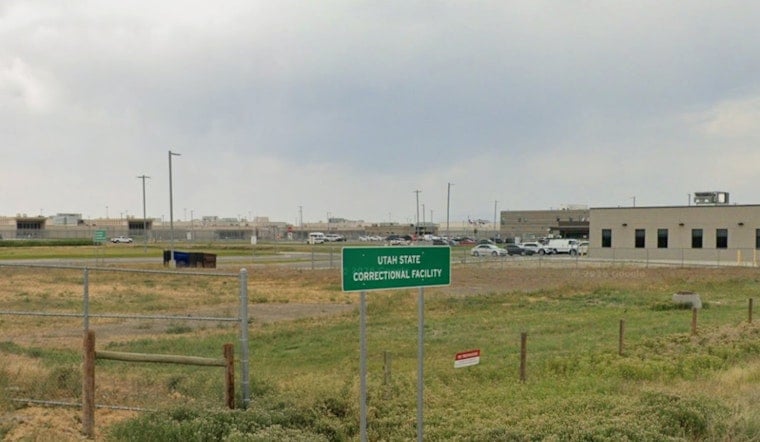
More than 100 women incarcerated at the Utah State Correctional Facility say they were strip‑searched in a mass operation on May 13, 2025, an event the plaintiffs describe as humiliating and traumatic. The women filed a federal complaint on May 15, accusing supervisors of ordering a sweep that exposed them to male staff and left many in distress. According to the suit, inmates were told to undress, perform physical maneuvers, and provide urine samples while they were visible to officers.
What the lawsuit alleges
The complaint describes what officials allegedly called a large‑scale “reset” in women’s housing at USCF. According to the filing, officers stormed dormitories, shouted commands, and forced women to pack up and change clothing in front of male members of the Critical Incident Response Team. Plaintiffs say they were then marched to the Emerald building for scans and visual inspections, where an overhead observation booth let male staff watch naked women. The suit identifies Captain Jared Beers and Lieutenant Matthew Coombs as among the male staff who could see into the area, and it names Deputy Warden Derick Zorn and Warden Sharon D’Amico as officials who directed the operation, according to KUTV.
Federal rules limit cross‑gender searches
Federal standards adopted under the Prison Rape Elimination Act prohibit cross‑gender strip searches and visual body‑cavity searches except in exigent circumstances or when those searches are performed by medical practitioners. The rules also require documentation when opposite‑gender staff is involved. Agencies are required to use policies designed to preserve privacy during routine searches, a safeguard advocates say is meant to prevent the kind of retraumatization the Utah plaintiffs describe, per the PREA Resource Center.
State corrections says the reset followed policy
The Utah Department of Corrections, in a written response provided to reporters, said the reset involved about 150 trained staff and that measures were taken to protect safety and dignity. In that letter, the department also stated that “no exigent circumstances occurred on May 13, 2025,” language the plaintiffs strongly dispute, according to KUTV. UDC Executive Director Jared Garcia declined to appear on camera for an interview, the station reported.
Plaintiffs' counsel and reaction
Attorney Walter Mason, who represents the women, argues that the department’s description of the reset does not match what his clients report in the complaint and says federal rules allow cross‑gender viewing only in emergencies. Mason is a trial lawyer at Dewsnup King Olsen Worel Havas and has handled civil rights matters in Utah; his firm describes a history of high‑stakes litigation on behalf of injured parties.
How this fits a broader pattern
Mass or group strip searches have led to lawsuits and sizable settlements in other states, and courts have at times found cross‑gender searches unreasonable when no emergency existed. Past high‑profile outcomes include large settlements and contested rulings in California and Illinois that attorneys say show the legal and financial stakes of these claims. Advocates point to those outcomes as a warning sign for corrections systems across the country. See recent reporting and court records on similar cases for background.
Legal stakes and what comes next
If the Utah case moves forward, the plaintiffs are expected to pursue federal constitutional claims for unreasonable searches and supervisory liability against officials who oversaw the operation. When courts review strip‑search allegations, they typically weigh the scope of the intrusion, how the search was carried out, the stated penological justification, and the physical setting where it occurred. That framework appears in appellate precedent such as Byrd v. Maricopa County, and in local federal rulings that apply Monell and Fourth Amendment theories to search practices. The complaint seeks money damages and a jury trial, and the next steps will depend on court scheduling and any motions the parties file.
For now, Utah corrections officials say they stand by their methods and point to existing policy and training, while the plaintiffs argue their experience shows those safeguards did not work. The litigation is still in its early stages, and the federal court docket will be the place to watch for depositions, motions, and any scheduling orders that set a timetable for hearings or a potential trial date.





