

























































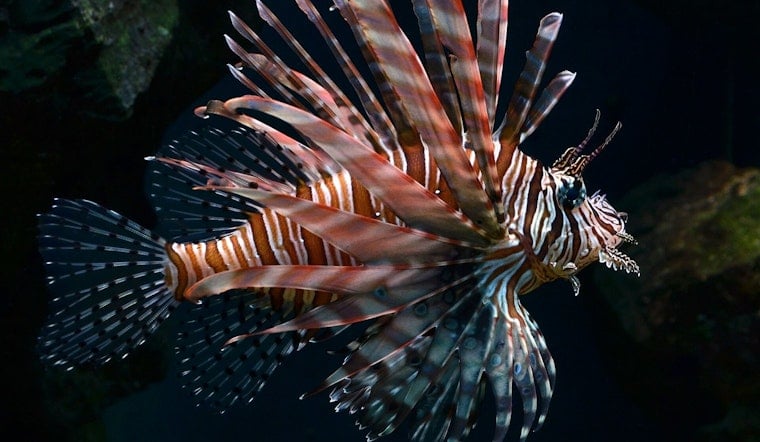
South Florida reefs are taking hits from a fast-spreading lionfish invasion, with the spiny predators muscling into both nearshore and offshore habitat and mowing through the small, reef-tending fish that help keep coral alive. Local dive operators and state officials say the fish are now packed in densely enough to reshape reef food webs and threaten both fisheries and dive tourism. In response, the Florida Fish and Wildlife Conservation Commission is calling on volunteers, charter captains and recreational divers to pull out as many lionfish as they can this summer.
Local reporting and warnings
According to CBS12, FWC Lionfish Program Coordinator Tony Hart and local captains stress that these fish are not native to South Florida. They originated in the Indo-Pacific and have settled in comfortably in local warm waters, where they feed heavily on the reef fish that help keep coral communities healthy. "They're an invasive species...they do thrive down here because of the warm waters, of course, and that kind of thing," Hart told CBS12. Hunters and captains say there is no practical natural control in the Atlantic right now, and that human removal is the only reliable option, with Palm Beach County volunteers already targeting lionfish on dives and charter trips.
Why lionfish are so dangerous to reefs
In Atlantic waters, lionfish have no known predators stepping up to keep them in check, and they reproduce at strikingly high rates. Females can release tens of thousands of eggs in a single spawn and can spawn repeatedly in warm conditions, which allows local populations to explode. Scientists warn that lionfish cut down juvenile native fish numbers and can wipe out herbivorous species that normally graze algae off reefs, leaving coral more vulnerable as algae takes over. Those losses stack on top of other stressors already battering coral ecosystems. For a deeper look at the invasion, including how lionfish spread, reproduce and affect reef ecology, see Smithsonian Magazine.
FWC’s Lionfish Challenge and the numbers
The Florida Fish and Wildlife Conservation Commission has launched its 2026 Lionfish Challenge, which runs from May 22 through Sept. 14 and features expanded categories and prize incentives designed to push participation across the state, according to the agency. The program asks recreational and commercial harvesters to sign up, have their catches verified at local checkpoints and submit photos or tails so removals can be tracked, FWC said. Results from the last Challenge show just how quickly those efforts add up: participants removed more than 31,700 lionfish statewide during the previous tournament, a record haul that officials have pointed to as evidence that coordinated removals can help reef health, FWC reported.
Divers, chefs and the food question
On the water, many hunters frame lionfish removal as both a conservation move and a culinary opportunity. "It's a win-win situation," one diver told CBS12. Federal researchers point out that lionfish meat itself is not venomous, although the usual seafood safety rules for tropical reef fish still apply because of rare ciguatera risks. They also recommend that businesses serving lionfish post general caution notices for diners, according to NOAA Fisheries. In the background, several conservation groups and restaurants are testing ways to build steady markets for lionfish so that removals remain financially worthwhile for fishers.
How to help
Divers and anglers who want in on the effort can register for the summer Lionfish Challenge and bring verified catches to designated checkpoints. The program and its rules are managed through FWC’s Reef Rangers. Non-divers are not off the hook: organizers say residents can still support removal efforts by taking part in local derbies, ordering lionfish when they spot it on menus or reporting sightings to state authorities. Safety is a recurring theme. Organizers urge participants to use proper harvest techniques, wear gloves, handle the fish carefully to avoid the spines and, for newcomers, complete a short safety clinic before attempting any removals.
FWC and partner groups describe the statewide tournament and local derbies as measurable tools that can soften lionfish impacts on reefs, while stressing that they fit into a larger push to strengthen reef resilience overall. For Palm Beach County residents whose livelihoods are tied to fishing, diving and tourism, the message for this summer is straightforward: steady, local removals by volunteers and professionals can help keep reefs in better shape for the businesses and communities that rely on them.


