

























































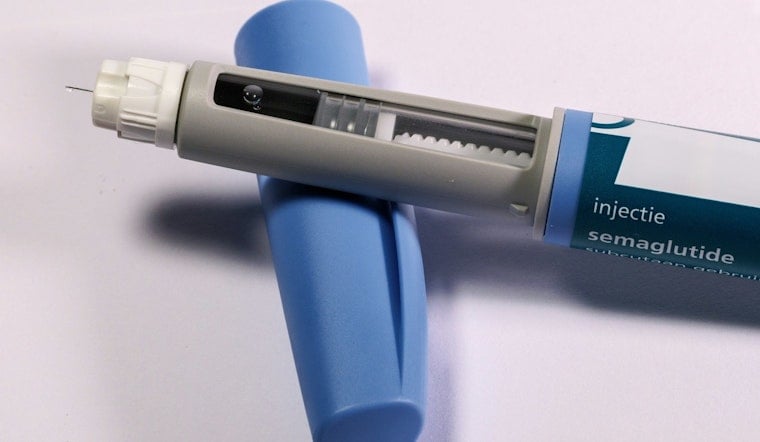
In Huntington Beach, a growing number of people are trying so‑called "microdoses" of GLP‑1 drugs: tiny weekly hits of medicines like semaglutide or tirzepatide, taken in the hope of trimming cravings and dodging the nausea that can come with standard prescriptions. The trend has moved from TikTok and influencer posts into telehealth menus and compounding pharmacies, fueling dramatic before‑and‑after stories and a wave of questions from doctors and regulators.
Advocates say microdosing reduces side effects and cost, but clinicians caution the practice is poorly defined and unproven, as reported by the Los Angeles Times. The paper profiles patients and clinicians who use low‑dose regimens and quotes obesity specialists such as Dr. Sara Siavoshi, who treats thousands of patients and urges anyone thinking about low‑dose GLP‑1s to get continuous care from credentialed obesity‑medicine providers.
How the microdose market scaled up
Telehealth platforms and startups helped push microdosing into mainstream awareness: a November report found companies including major digital health players began marketing low‑dose GLP‑1 options and targeting people who are not obese. As Bloomberg documented, those programs often pair a short virtual consult with a subscription pharmacy model and a promise of fewer side effects or easier maintenance dosing.
Regulators are tightening rules
The federal government has already moved to limit how copycat GLP‑1 products are produced. Reuters explains regulators proposed barring semaglutide and tirzepatide from a major compounding pathway in late April, a step that would restrict large‑scale compounding from bulk ingredients and could curb mass distribution of imitation vials.
At the same time, the FDA has issued warning letters to telehealth companies and marketers of compounded GLP‑1s for misleading claims and unsafe practices, including a June letter to Altru Telehealth documenting misbranding and false advertising. (FDA.)
What the medical evidence shows
Leading clinicians say there is very little high‑quality research backing low‑dose GLP‑1 strategies for longevity or reliable weight loss. As The Washington Post reported, scientists and obesity experts call microdosing largely experimental: potentially useful in individual cases, but not validated by randomized trials that show the large, sustained weight losses seen in higher‑dose studies.
Money, access and who pays
The price jump for brand‑name GLP‑1s is a core driver of microdosing. List prices for drugs like Wegovy and Zepbound commonly exceed $1,000 a month, which can translate to roughly $10,000 a year for cash‑pay patients. Coverage remains uneven, with many insurers more likely to pay for GLP‑1s when prescribed for diabetes than when prescribed solely for obesity, and Medicaid and Medicare policies varying by state and program, according to reporting and policy analysis. (CoveredUSA; KFF.)
How to stay safer if you are curious
If someone is considering a low‑dose GLP‑1 approach, doctors say to treat it like any other medical decision: seek a prescriber who offers ongoing follow‑up, clear lab monitoring and an honest discussion of risks and alternatives. The Los Angeles Times notes clinicians advising patients to work with credentialed obesity‑medicine clinicians and to avoid unverified overseas suppliers or off‑label kits that lack pharmacy lot numbers or independent sterility and potency testing. Ask where the pharmacy sources its peptide, whether the product has been tested by an independent lab, and insist on a documented plan for dose adjustments and metabolic monitoring.
In the end, microdosing sits at the intersection of real biochemical promise and retail‑style marketing. Regulators are narrowing the gray market, and experts say the clearest safeguard is real medicine, not one‑click shortcuts.





