

























































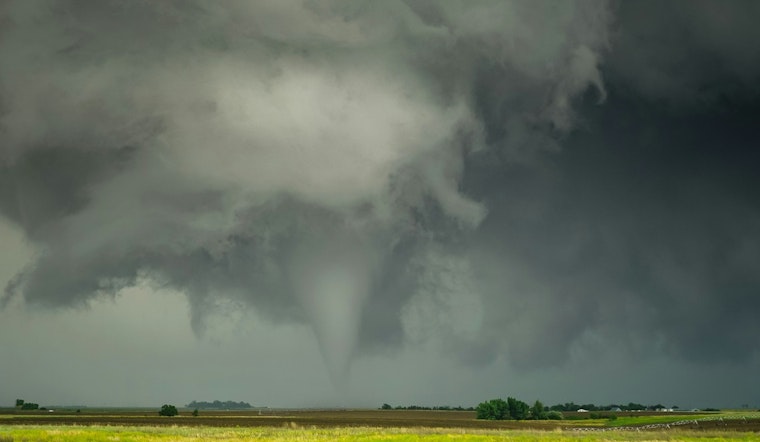
Immokalee residents got an unwelcome jolt Thursday evening when a special weather statement flagged a strong thunderstorm capable of producing funnel clouds, half‑inch hail and damaging wind gusts. The alert, which covered Immokalee and nearby inland communities, was set to remain in effect through 8:00 p.m. EDT and urged people to hunker down until the storm moved on.
What the NWS reported
At 7:24 p.m. EDT, forecasters said radar had locked onto a strong storm creeping north at about 5 mph, capable of spinning up funnel clouds over Big Corkscrew Island or near Ave Maria. The system was tagged with maximum hail around 0.50 inches and wind gusts in the 50 to 55 mph range, according to the National Weather Service in Miami. The statement specifically called out Ave Maria, Immokalee, Big Corkscrew Island and Lake Trafford, and the alert was also shared on X by NWS Miami.
Where the threat is
Radar showed storm cells parked over inland Collier County, with additional pockets clipping northwestern Collier and western Hendry County. That put communities from Ave Maria through Immokalee in line for brief but potentially damaging wind bursts and small hail. Earlier in the evening, local coverage had already flagged Orangetree and Lehigh Acres for a similar gust‑and‑hail setup; see storms with 50 mph gusts for that earlier report.
Why storms pop up so quickly here
Early summer in South Florida is famous for “blink and it is pouring” thunderstorms, as sea‑breeze boundaries collide with the day’s heat to fire off short‑lived but intense storms. That pattern favors quick‑hitting wind gusts, pockets of small hail and, at times, brief funnel clouds. Sea‑breeze driven thunderstorms are a staple of the peninsula’s wet season; for a deeper dive on how that works, see CIMSS.
How to stay safe
The special weather statement is blunt about safety: “Seek shelter in a safe building until the storm passes.” That means getting indoors, bringing pets inside, securing loose patio furniture and steering clear of flooded or debris‑strewn roads, per the National Weather Service.





