

























































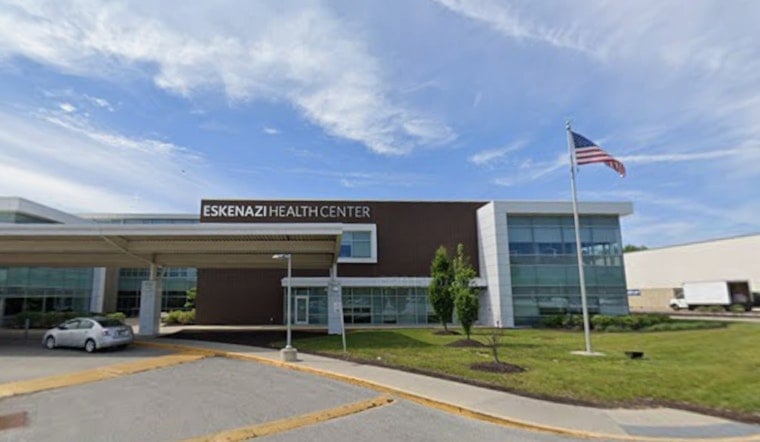
In the middle of Indianapolis, Eskenazi Health is supposed to be where vulnerable residents go to get help. Instead, a new investigation shows its in-house police force arrested more than 800 people between 2020 and 2025, and critics say that looks a lot like a pipeline straight from hospital bed to jail cell.
The reporting focuses on one woman in particular: Adilah Patton, who has schizophrenia. Her long trail of arrests at Eskenazi has become a case study in what happens when hospital security and law enforcement step in where treatment and long-term care fall short.
Mirror Indy reviewed arrest logs and court records and found Eskenazi officers made more than 800 arrests over that five-year window, which works out to roughly one arrest every two to three days. Many of the incidents involved homelessness, trespassing and behavior that reporters linked to mental illness, according to the outlet.
Most arrests were for misdemeanors, records show
Digging into the numbers, about 77% of arrests were for nonviolent misdemeanors such as disorderly conduct, criminal trespass and resisting law enforcement. A smaller portion involved allegations of battery against hospital police or attacks on medical staff.
Reporters also found that roughly 90% of the arrests took place on Eskenazi’s main campus. Hospital leaders counter that officers responded to tens of thousands of calls for service in 2025 and say only a small share ended in arrests, as reported by WFYI.
Hospital leaders defend security posture
Eskenazi officials say having a dedicated police department is about keeping patients, staff and visitors safe, not criminalizing illness. They emphasize that officers receive training in de-escalation and in working inside a health care environment.
The system’s public materials underscore its mission to serve vulnerable Marion County residents and describe a Health & Hospital Police Department that supports Eskenazi facilities and services, according to Eskenazi Health.
Sheriff pulled back special-deputy partnership
Not everyone in local law enforcement is comfortable with how that authority is used. The Marion County sheriff told reporters he ended a special-deputy arrangement with Eskenazi in January, saying deputies should “think a second time before they pull out the handcuffs” when someone appears to be in crisis.
Once that program ended, the sheriff’s office added new review steps before accepting people into the county jail, according to Mirror Indy.
The human cost
Behind all the policy arguments is Patton’s story. She was arrested more than 30 times at Eskenazi and spent more than 800 days in jail on criminal trespass charges before she was placed under a guardian and later moved to a state psychiatric hospital.
Taxpayers appear to have covered more than $60,000 in incarceration costs tied to those cases. Her family’s legal battle led to a federal lawsuit that was resolved in 2025 without any monetary settlement, as reported by WFYI.
Transparency and legal questions
When journalists asked for records, Eskenazi blacked out the names of those arrested, citing HIPAA and patient privacy rules. Open-records experts point to Indiana’s public-records law, which requires disclosure of basic arrest information. That statute is outlined by FindLaw.
National reporting and legal analysis warn that hospital-based police forces can carry unintended consequences when enforcement starts to stand in for medical care, a pattern highlighted by KFF Health News.
What’s next
Advocates argue the Eskenazi data should be a wake-up call for Marion County, saying the numbers point to a need for more treatment options and clearer rules on when police should be involved inside hospitals.
Eskenazi, for its part, says it will continue to prioritize the safety of patients and staff while working to connect people with mental health services, according to Eskenazi Health.





