

























































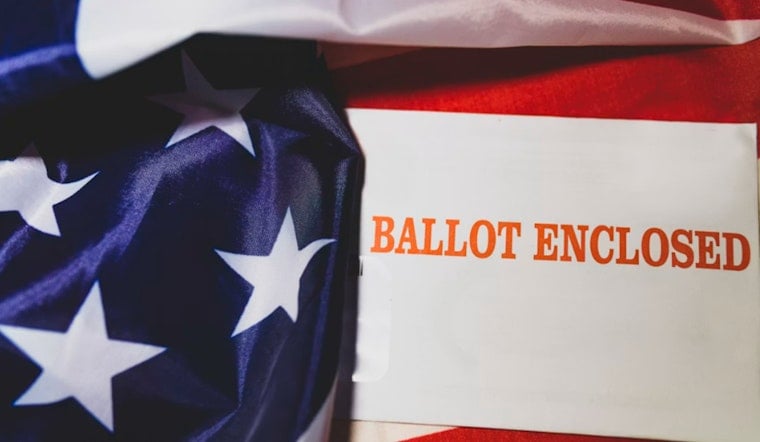
In mailboxes across Los Angeles, primary season came with a jarring twist: official vote-by-mail packets landing in the names of relatives who have been dead for years. Several local families say the envelopes keep arriving despite death certificates on file, turning what should be routine election mail into a painful reminder and a fresh flashpoint over how voter rolls are maintained.
As reported by the New York Post, residents including Pia Altavilla say they continued to receive ballots for her late husband and her father, while Steve Brown said he submitted his wife’s death certificate after she died in 2021 yet still saw election mail show up in her name. The Post published family accounts along with tracking screenshots indicating some packets were mailed weeks before the June 2 primary. Those anecdotes have fueled anger from relatives and revived calls for quicker fixes to voter registration records.
Why ballots may arrive for deceased registrants
California law requires county elections officials to start sending vote-by-mail materials to every registered voter no later than 29 days before an election, according to Elections Code Section 3000.5. The County of Los Angeles said it began mailing vote-by-mail packets for the June 2, 2026 statewide primary at the end of April as part of the standard rollout to all active registrants. Because the statute directs counties to mail broadly to everyone listed as active, errors or slow processing can mean ballots still get sent to people whose registrations have not yet been cancelled.
Watchdog findings
A 2025 review by the Public Interest Legal Foundation flagged roughly 94,516 registrants as deceased in a two million record sample and identified tens of thousands of possible duplicate registrations and placeholder birthdates in California’s voter files. The findings do not show that ballots were actually cast in the names of deceased people, but the group’s numbers highlight how big the record-keeping job becomes when counties are printing and mailing millions of packets at once. Election specialists say tighter data matching and faster reporting between agencies could cut down on misaddressed mail.
How counties and voters handle misaddressed ballots
County guidance typically asks residents who receive a ballot for someone who no longer lives at an address, or who has died, to mark the envelope “Deceased” or “Return to Sender,” then put it back in the mail or call the registrar so staff can follow up. For example, the San Bernardino County Registrar of Voters’ FAQ instructs recipients to write “Deceased” on the envelope and return it, and notes that undeliverable or returned election mail is used to flag records for additional review. Those returned packets, along with reports from families, are among the tools local offices rely on to clean up the rolls, although the follow-up can take time.
Local officials, the bigger picture
Election administrators stress that a ballot showing up at the wrong address is not proof of fraud on its own, but they also acknowledge that even a handful of mistakes can shake public confidence, especially in a tight race. Recent Los Angeles Times reporting highlighted other glitches and confusion tied to mail-ballot rollouts and new confidentiality rules that left some voters and candidates caught off guard at polling places. For families still getting official mail for the deceased, the effect is less abstract: more frustration, extra phone calls, and repeated demands that someone fix the records already.
Residents who find a ballot addressed to a deceased loved one are urged to follow county instructions, mark the envelope, return it or contact the registrar, so election offices can update the rolls and stop future mailings. With watchdog reports and family complaints stacking up ahead of November, counties and the state face growing pressure to speed up list maintenance before the next round of ballots goes out.





