

























































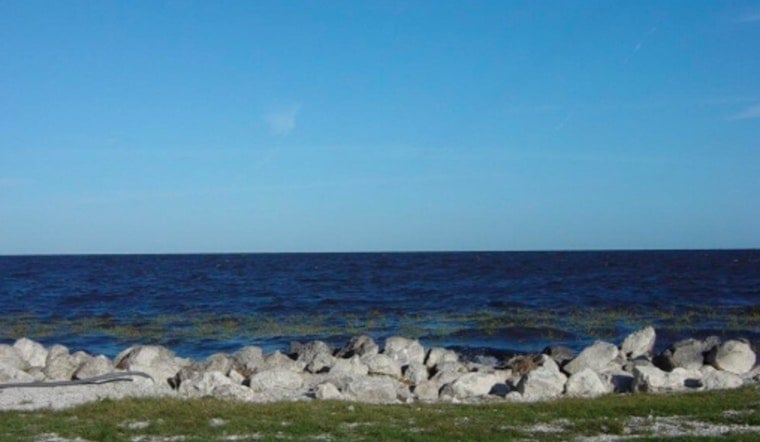
Lake Okeechobee is back on health officials’ radar. On June 19, Martin County public health officials issued a health alert after lab tests confirmed toxin-producing blue-green algae at a lakeside sampling point. The county is warning people and pets to steer clear of any water that looks discolored or scummy and to avoid visible mats or foam, following a sample collected earlier in the week that tested positive for cyanotoxins.
According to the Florida Department of Health in Martin County, the alert covers the S308C lakeside sampling point and is based on a June 16 water sample that detected cyanotoxins. The county notice repeats the standard guidance: do not drink, swim, wade or use personal watercraft in waters where a bloom is visible, and wash skin and clothing after any contact. Officials also direct anyone with suspected exposure to call the Florida Poison Information Center at 800-222-1222 for immediate help.
Coverage by The Palm Beach Post notes that health officials are tracking several sampling points around the lake and updating the public as lab results come in. The Post reports that any visible scum or paint-like streaks on the water should be treated as potentially hazardous until follow-up testing shows the area is clear.
Where the Bloom Showed Up
The county identified the affected site as S308C, a lakeside sampling point at the S-308 structure on the eastern rim of Lake Okeechobee. It is one of the routine spots state agencies watch closely during the warm months. The state’s water quality portal, Protecting Florida Together, explains that the Florida Department of Environmental Protection, water management districts and partner agencies collect samples and post toxin results on a public map. Officials say that online dashboard is the fastest way for residents to see where tests have picked up toxins or visible blooms.
Why Blooms Keep Returning
Agencies say blue-green algae blooms thrive when the water is warm, still and loaded with nutrients, a combination that makes Lake Okeechobee especially vulnerable to repeat cyanobacteria events. Satellite imagery has been put to work this month to track cyanobacteria patterns on the lake, according to NOAA’s NCCOS, helping officials decide where to sample and how to respond. Because some cyanobacteria can produce microcystins and other toxins, authorities treat any confirmed detection as a public health concern.
Precautions for Residents and Pets
Health officials are sticking with the basics, and they are not subtle about it: avoid contact with any water that looks discolored, foamy or scummy, keep pets from drinking or swimming in affected areas, and rinse gear, skin and clothing after accidental contact. Per the Florida Department of Health in Martin County, boiling water will not remove algal toxins, and any fish taken from the area should be gutted and rinsed before fillets are eaten. Anyone who develops symptoms after suspected exposure is urged to contact their healthcare provider or call the Florida Poison Information Center at 800-222-1222.
Where to Get Updates
Officials say they will keep posting sampling results and status updates to the state’s water quality dashboard and the Florida Department of Environmental Protection’s algal bloom map. Residents can check Protecting Florida Together or DEP’s Algal Bloom Dashboard for the latest information. To report a suspected bloom, call DEP’s hotline at 1-855-305-3903 or file a report online at Florida DEP, officials said.



