

























































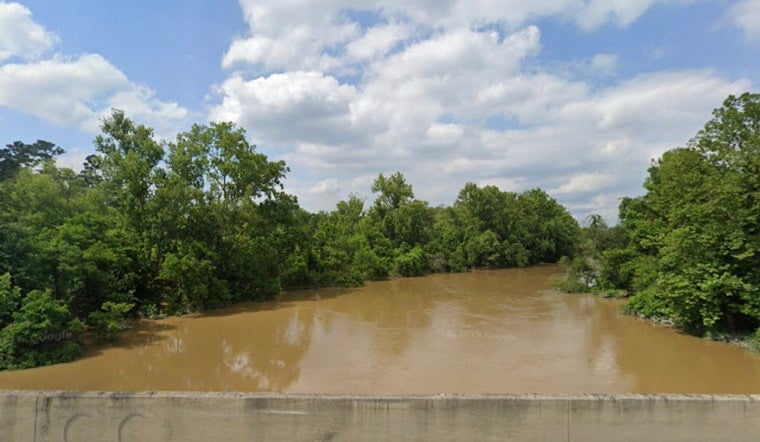
Gov. Jeff Landry has signed off on a new way to turn sand into a steady stream of cash for one of south Louisiana’s most flood‑beaten watersheds. Two measures he approved this week create the Watershed Restoration and Conservation Fund, a state account meant to bankroll restoration and flood‑risk projects across the Amite River Basin.
The fund is designed to send money to reclamation, conservation and drainage work in areas chewed up by sand and gravel mining and hammered by the catastrophic August 2016 floods. Local officials say the dedicated pot of state money could finally help pry loose matching federal dollars and move long‑stalled projects off the drawing board and into the water.
How the fund will be paid for
The new statute orders the state treasurer to deposit into the Watershed Restoration and Conservation Fund one hundred percent of the portion of recurring severance tax revenues collected on sand severed from within the Amite River Basin, according to the House bill text from the Louisiana Legislature.
HB 802 also allows donations, grants and legislative appropriations to be added to the account and requires that interest earned and any unspent balances stay in the fund. The House and Senate texts show slightly different effective dates: HB 802 sets an effective date of July 1, 2026, while the Senate engrossed version lists an August 1, 2026 effective date, according to documents from the Louisiana Legislature.
Who will distribute the money
Landry signed HB 802 and SB 367 this week, formally creating the Watershed Restoration and Conservation Fund, according to New Orleans CityBusiness. Lawmakers directed that the money be appropriated to the Coastal Protection and Restoration Authority, which will then distribute it to the Amite River Basin Commission for eligible projects.
Commission leaders have been pushing for this structure and say it gives the basin a fighting chance to catch up on long‑planned work. ARBC President John Clark called the new setup “a major step forward for the Amite River Basin,” according to the Pelican Post.
What projects the money could pay for
Paul Sawyer, chief adviser to the ARBC, told WAFB that the dedicated sand severance revenue will come in at “just under $1 million” and could be matched with federal dollars.
According to Sawyer, the money could support projects such as re‑meandering straightened channels, building retention areas and converting gravel pits into lakes. The idea is to slow water down and give it somewhere to go so that tributaries like Jones Creek and Bayou Fountain can drain more efficiently during big storm events.
Why it matters now
The timing is not lost on anyone in the basin. The bills arrive in the 10th anniversary year of the August 2016 floods that inundated neighborhoods across the Amite, and officials say this is the most substantial state‑level move since Act 490 reshaped the ARBC in 2022, according to New Orleans CityBusiness.
Parish leaders and basin commissioners say the new, basin‑wide funding approach finally acknowledges a basic hydrologic truth: what happens upstream, in terms of both development and sand mining, can punish downstream parishes and taxpayers.
Next steps and oversight
HB 802 requires the Amite River Basin Commission to submit an annual report to the Legislature detailing fund receipts, expenditures and activities paid for by the account, according to the Louisiana Legislature. The law also tasks CPRA with disbursing dollars from the fund to projects approved by the ARBC board.
ARBC members and parish officials say they plan to work with CPRA and federal agencies to set priorities, line up matching grants and stack enough funding to tackle larger, basin‑scale efforts, the Pelican Post reported.
For now, the Watershed Restoration and Conservation Fund is more seed money than silver bullet. Officials caution that the initial revenue, roughly what Sawyer described as “just under $1 million,” will not solve the basin’s problems on its own. They are betting that a predictable funding stream focused on sand‑mined and flood‑prone reaches will make it easier to assemble bigger, multi‑parish projects over time and unlock the federal and private dollars they say are needed to build long‑term resilience across the Capital Region, according to WAFB.





