

























































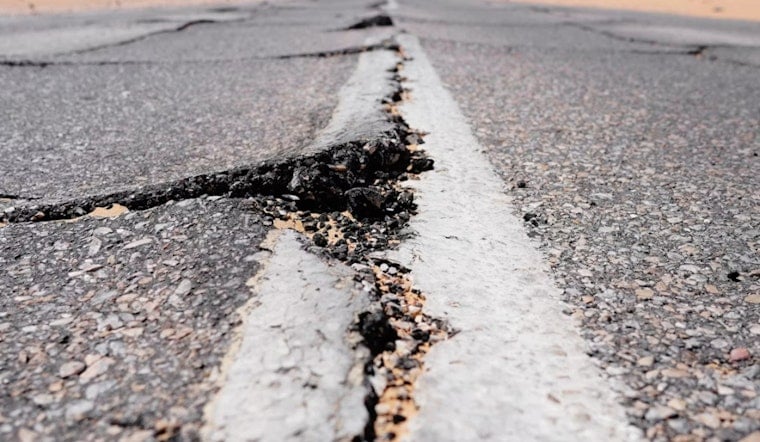
Yesterday, a string of small quakes rattled neighborhoods across San Jose and other parts of the South Bay, shaking residents out of bed and lighting up text threads and neighborhood chats. Instead of one big jolt, the motion came in a quick-fire cluster of tremors that seismologists label an earthquake swarm, and it served as a not-so-gentle reminder for many locals to revisit emergency plans and alert settings.
Local TV quickly folded the episode into its evening coverage. As reported by KTVU, the station aired a segment featuring viewer reports of shaking across the South Bay along with footage from regional monitoring networks. The broadcast captured the short burst of tremors and the immediate neighborhood reaction, while reporters noted that seismic systems were tracking the sequence through the night.
What Seismologists Mean by a Swarm
According to the U.S. Geological Survey, an earthquake swarm is a tight cluster of quakes in a small area without one clear mainshock towering over the rest. USGS scientists say these swarms are often tied to fluids moving underground or to slow slip along faults. They can be unnerving, but they do not automatically signal that a large, damaging earthquake is on the way.
Alerts and Official Guidance
California’s early-warning program is designed to provide a few seconds of notice before stronger shaking from bigger quakes reaches you. State emergency officials recommend installing the MyShake app or turning on Android earthquake alerts so households get whatever warning is available. The state’s Earthquake Early Warning pages walk through how ShakeAlert messages are issued and how local agencies and residents are expected to respond when an alert pops up.
What to Do If You Felt Shaking
If you felt the tremors, seismologists encourage you to log your experience through the U.S. Geological Survey’s "Did You Feel It?" system so scientists can map where shaking was strongest. For immediate safety, officials still urge the basics: drop, cover, and hold on during any shaking, then check for hazards and follow instructions from local emergency managers once the tremors stop.
Local Pattern
This latest burst follows similar, localized clusters that have rattled parts of the South Bay in recent weeks. Earlier coverage of a May swarm near Gilroy described the same mix of abrupt wake-up calls and neighborhood concern. See Hoodline for background on that sequence and how residents responded.
We will update this post if monitoring agencies revise event sizes or issue formal statements. In the meantime, keep alert apps enabled, follow official guidance, and report any shaking you feel to the monitoring systems used by seismologists.





