

























































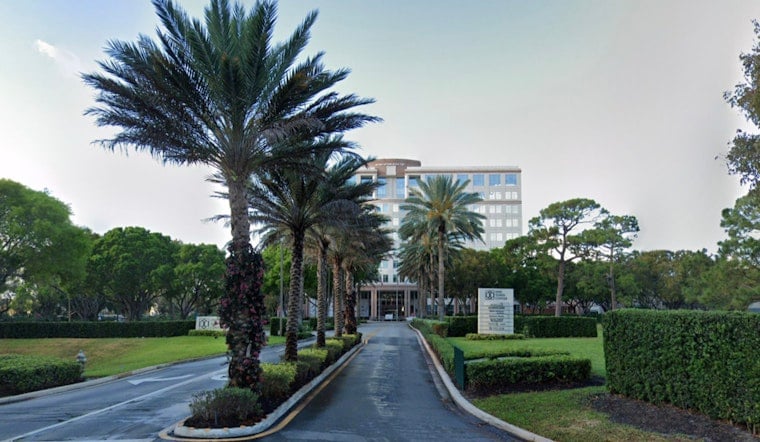
Bridgepoint Group has struck a roughly $1.4 billion deal to scoop up Boca Raton based Kayne Anderson Real Estate, giving the UK investment firm a much bigger footprint in U.S. property markets. The acquisition folds about $22 billion of real estate equity and debt strategies into Bridgepoint and lifts the enlarged group's assets under management to around $117 billion. Executives are pitching the move as a quick way to bulk up in demographic driven sectors such as medical office and seniors housing.
Deal terms and timetable
According to Bridgepoint's announcement, the upfront enterprise value is about $1,393 million. That package includes roughly $759 million in cash and approximately 189 million newly issued Bridgepoint shares, with more consideration potentially payable through performance linked earn outs. The agreement covers interests in Kayne Anderson's manager and GP entities rather than the underlying property portfolios, and Bridgepoint says the deal is expected to close by the end of 2026, subject to shareholder and regulatory approvals. The companies also flagged lock ups and alignment mechanisms that are designed to keep Kayne's investment team anchored to the platform after completion.
What Kayne Anderson brings
Kayne Anderson Real Estate, based in Boca Raton, Florida, manages about $22 billion across real estate equity and debt strategies and focuses on medical office, seniors housing, student housing, multifamily and light industrial, according to Kayne Anderson Real Estate. The firm has been busy with large U.S. transactions and fundraising in recent months, which gives Bridgepoint instant scale in sectors that institutional investors have tended to stick with even in choppy markets. Management and investors will be watching to see whether Kayne's deployment pace picks up now that it can lean on Bridgepoint's broader distribution network.
Why Bridgepoint is buying
Bridgepoint says the acquisition will broaden its product mix and expand its U.S. presence, pushing pro forma assets under management to around $117 billion and increasing the share of fee earning U.S. business, a shift that market observers have been tracking closely. The firm expects the deal to boost earnings per share, by a mid single digit percentage in 2027 and by more than 20 percent in 2028, projections covered by Bloomberg. Investors and analysts will be paying attention to fundraising momentum, especially after KAREP VII closed strongly in May, to see whether fee income actually ramps in line with those forecasts.
Management and local footprint
Bridgepoint says Kayne's senior leadership team, led by co founder and CEO Al Rabil, will remain in charge of the real estate platform, which will run under a new 'Kayne Bridgepoint' banner, a setup the two sides describe as crucial for maintaining relationships with investors and operating partners, according to Bridgepoint's announcement. The RNS notes that the platform includes around 100 investment and operations professionals, a relatively tight team that Bridgepoint argues is well suited to execute its growth plans. "This marks another major step forward in our strategy," Bridgepoint CEO Raoul Hughes said in the announcement.
Where this fits in the market
The deal follows a stretch of active capital deployment by Kayne, including a joint $1.81 billion purchase of an infill light industrial portfolio that underscored its appetite for specialized assets, as big-money landlords gobble up infill warehouses. For Bridgepoint, KARE's operating record offers a fast track into U.S. property segments that large investors continue to favor. The combination could also open new fundraising channels for both firms as they plug into each other's distribution networks.
What happens next
Under the agreed terms, Kayne Anderson shareholders are set to receive roughly 189 million newly issued Bridgepoint shares along with about $759 million in cash at closing, according to Bridgepoint's announcement. The transaction still needs a shareholder vote, regulatory approvals and various fund consents before it can officially wrap up, which the companies are targeting by the end of 2026.





