

























































Cook County lenders launched 1,633 foreclosure lawsuits in March and April, and one case in particular towered over the rest: the Buckingham student high-rise in the Loop, tied to one of the largest loans on the docket and the period’s biggest single foreclosure action. All told, the new filings represented roughly $482.7 million in mortgaged value over the two months and pushed median foreclosure values higher in April. The wave of cases highlights mounting strain in lower‑priced housing and niche sectors such as student rentals.
State and national snapshot
Illinois landed among the states with the worst foreclosure rates in the first quarter, with about one in every 833 housing units seeing a filing, according to data from ATTOM. ATTOM also reported that foreclosure filings rose nationwide in April, reflecting broader delinquency pressure even as some markets hold up better than others. Those trends help set the backdrop for the uptick in filings at Cook County’s civil courts this spring.
Cook County by the numbers
In Cook County, lenders initiated 1,633 foreclosure lawsuits in March and April, with 784 cases filed in March and 849 in April. Those starts were tied to about $482.7 million in mortgaged value, according to an analysis by The Real Deal. The Real Deal’s breakdown shows the distress concentrated at the lower end of the market: more than 800 filings involved properties valued under $200,000, while 585 involved homes between $200,000 and $500,000. U.S. Bank filed the most Cook County foreclosure complaints during the two‑month span, the analysis found.
The Buckingham foreclosure exposes student‑housing strain
The largest action in the analysis centered on The Buckingham, a 27‑story, roughly 440‑unit student tower at 59 East Van Buren Street. There, Wells Fargo, working with special servicer Midland, moved to foreclose on a $45.3 million loan that was issued in 2018. As The Real Deal reported, the loan is under an “activated cash sweep,” a measure that gives the lender control over the property’s revenues while it considers resolution options. The filing is the latest sign of pressure on student‑housing owners when occupancy and rents fall.
Where the pain is concentrated
Both the county analysis and national data show foreclosure activity skewing toward lower‑value homes and specialized assets, with Cook County accounting for 3,439 properties with foreclosure filings in the first quarter, the most of any county, according to ATTOM’s dataset. That concentration means policy makers, tenant advocates and small landlords are likely to watch the Daley Center docket closely as cases move into motion practice, sale scheduling or negotiated outcomes. For borrowers, filings often start a months‑long legal process that can end in reinstatement, resale or other resolutions.
Legal note
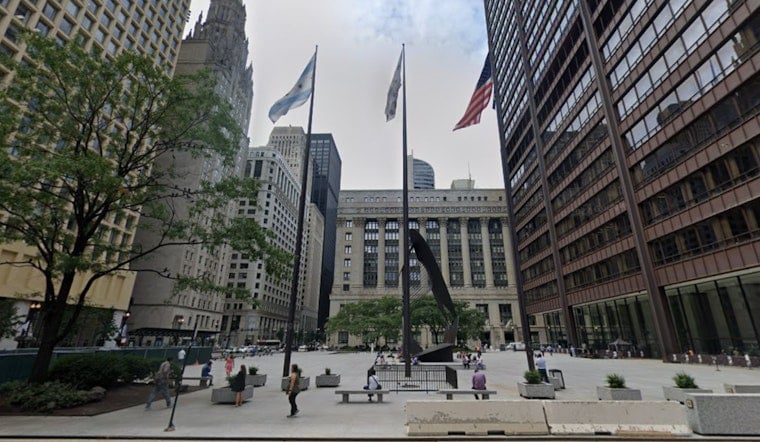
Foreclosure starts are formal lawsuits filed in civil court and do not automatically lead to an immediate transfer of ownership. Cases in Cook County are processed through the Circuit Court at the Richard J. Daley Center, where judges and clerks oversee motions, potential sale dates and settlement talks; see the court’s information page for details. Lenders frequently pursue litigation while also exploring workouts or loan modifications, so the presence of a filing is only one signal of distress.





