

























































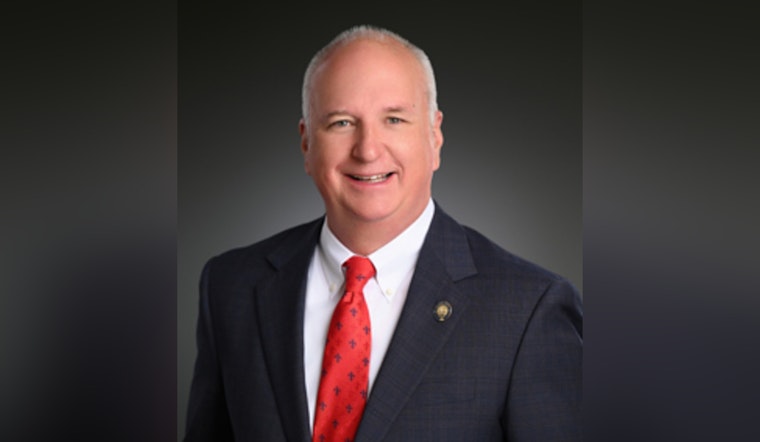
State Sen. John “Jay” Morris helped usher Meta’s massive Hyperion data center into Richland Parish, then he and his business partners quietly started buying and selling multiple parcels around the megasite, including land tied to the utility that will power it. That mix of land deals, legislative votes and agency actions has triggered ethics questions and sharpened the spotlight on the tax breaks and energy buildout backing the project. Local and national outlets amplified the reporting this spring, pushing the transactions squarely into public view.
An investigation found Morris owns or co-owns more than 2,000 acres surrounding the Hyperion campus and that he bought several parcels within five miles of the site after Meta’s December 2024 announcement, according to Floodlight. Floodlight’s reporting says Morris and partners also sold rights-of-way across at least four properties that will carry transmission lines and access roads for the project. Public land records and assessor data reviewed by reporters place the senator at the center of a rapidly shifting local land market.
Morris sponsored and voted for measures that changed how state-owned land can be leased and backed tax exemptions for data-center equipment, policies analysts say could amount to about $3.3 billion in incentives for Meta’s Hyperion project, as reported by Fortune. Critics argue that combining new legal authority, generous incentives and private land deals risks concentrating public subsidy and financial exposure around a single corporate campus.
Reporting shows Morris and members of the Franklin family signed agreements to sell nearly 300 acres to Entergy for a methane-burning power station in early 2025, and that an 80-acre plot across the road was bought for roughly $1.2 million in cash by Morris and partners before those transfers, per Floodlight. Those transactions followed Morris contacting a utility commissioner ahead of a vote that cleared Entergy’s first tranche of plants for the project, according to local reporting.
Energy buildout and local impact
Entergy says the sites it acquired offer access to existing transmission lines, natural gas supply and transportation routes necessary for new generation, according to an Entergy news release. Regulators approved a plan in August 2025 to allow three combined-cycle gas plants for the Hyperion buildout, and Entergy and Meta later announced additional financing to add seven more plants, a package that company filings and coverage say could deliver more than seven gigawatts of capacity for the campus, according to reporting by Forbes.
Ethics questions and denials
Ethics experts say the blend of legislative votes, behind-the-scenes outreach and private land activity raises potential violations of Louisiana statutes that bar officials from participating in matters where they have a financial interest. “What makes it particularly egregious is not one isolated vote, but a sustained pattern,” Professor Dane Ciolino told The Guardian. Morris has denied wrongdoing, telling reporters his land holdings are public record and that the tax breaks he supported apply to all data centers, per reporting by The Lens.
Why it matters
The size of the incentives and the speed of the new power buildout matter to both taxpayers and the regional grid. Analysts have pegged equipment-related exemptions and other breaks at about $3.3 billion for Hyperion, and watchdogs warn that fast-tracking large power projects for a single private campus could saddle ratepayers with long-term costs. The Union of Concerned Scientists has urged caution about expedited reviews and the potential system-wide impacts of approving multiple gas plants for one customer, saying those costs deserve fuller public review, according to UCS.
For now the Hyperion campus is under construction, and state and utility decisions are moving ahead even as the reporting fuels calls for greater transparency. Whether the revelations will trigger formal ethics inquiries or legislative changes is still an open question as local officials and residents weigh the promised economic benefits against long-term public costs.





