

























































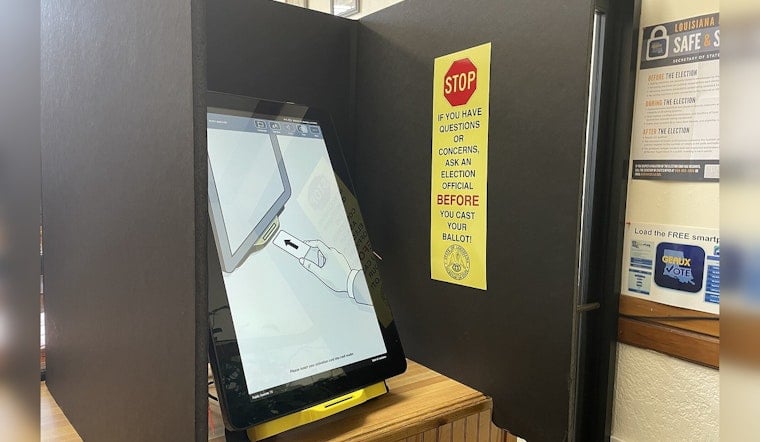
Louisiana’s slow-burning effort to replace its aging voting machines just kicked into a higher gear. Secretary of State Nancy Landry has reopened the state’s voting-system certification window, giving election technology vendors one last real shot to qualify before the state makes a long-planned, multimillion-dollar equipment purchase. The goal is straightforward: retire machines officials say are decades old, add voter-verifiable paper records, and build in routine post-election audits. The choices made now will determine which parishes get new machines first and how fast the statewide phase-in actually happens.
Reopening and the application deadline
In a June 10 press release, the Secretary of State’s office announced that it has reopened certification of voting systems and components that were not previously considered and set a final application deadline of July 2, 2026. Vendors that miss that cutoff will not be eligible for consideration in the current procurement, and the office expects to select a new system by the end of the year, according to the Louisiana Secretary of State's Office.
The department also noted that it certified five complete systems and one ballot-marking device during last year’s testing period. That December announcement listed Clear Ballot, Democracy Live, ES&S, Hart InterCivic, Liberty Vote and VotingWorks among the technologies that met the state’s standards.
Dominion’s change of hands adds a twist
Complicating the vendor landscape is the October 2025 acquisition of Dominion Voting Systems by Liberty Vote, a deal covered in national reporting and reflected in federal equipment records. The ownership change, along with Liberty Vote’s public pledge to shift development and staffing to U.S. operations, has drawn fresh scrutiny as states decide which companies they are willing to trust with supplying, supporting and updating critical election software and hardware, according to reporting from WIRED and registration notes at the U.S. Election Assistance Commission.
Timeline for a phased rollout
State officials say they hope to make an award by the end of 2026 and begin deploying new equipment in some parishes for elections in 2027. The plan is to then phase the system in statewide over roughly two to three years. Larger parishes would go first, with smaller jurisdictions following in later election cycles as training and logistics are worked out, according to local coverage and agency interviews.
Those same reports put the price tag at roughly $100 million and note ongoing funding discussions to cover cybersecurity work and post-election audit programs, per WBRZ.
Storage, shipping and parish headaches
Moving to ballot-printing machines creates some very physical problems for local officials: climate-controlled warehouses for paper ballots and equipment, new transport protocols, and significantly larger supplies of ballot stock and packing materials.
The Secretary of State’s office has already started lining up storage options in Baton Rouge and says it has money to begin the first rollouts. Parish officials, however, warn that the additional space and ongoing expenses will be a major local burden, as reported by WAFB.
Vendor reactions and the second window
Vendors are publicly treating the reopened certification window as a welcome second look, and a chance to show off upgrades or new features, while avoiding big promises in print.
According to the Louisiana Illuminator, Clear Ballot said it was in communication with the Secretary of State’s office and declined further comment. ES&S described the reopening as a “constructive step” that lets providers compete and submit enhancements to their systems.
Legal pressure and the statutory backdrop
The procurement fight is not just about technology. It is also unfolding under active legal and statutory pressure to provide auditable ballots.
At least one parish election supervisor sued this spring, arguing that the state’s paperless direct-recording electronic machines violate the Louisiana Constitution because they leave no auditable paper trail. WBR Independent reported on that challenge, which lands at the same time the state is trying to move to systems that generate voter-verifiable paper records.
The certification process itself is rooted in state law that requires systems to be certified before procurement and supports voter-verifiable paper records under Louisiana’s election statutes, according to a state code summary at the Louisiana Revised Statutes.
What to watch next
Vendors that want a shot at the impending contract have to file their certification applications by July 2. Public demonstrations for any newly certified systems are expected in July, and the state has signaled it will move quickly through procurement once the certification window closes.
For voters, the real impact will come later, in the form of a phased replacement of machines, the arrival of voter-verifiable paper ballots and, according to agency officials, routine audits once the new system is fully deployed.





