

























































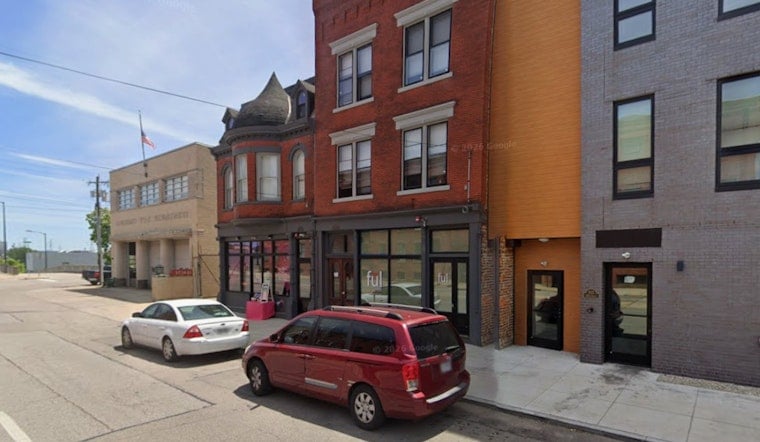
Lower Price Hill just picked up a new hangout with a serious global twist. Ful Cafe, an East African-focused coffee and food spot, quietly began its soft opening on June 16, bringing East African and Mediterranean flavors to a West Side corridor that has spent years trying to rebuild on its own terms. Organizers and neighbors say the shop is among the first small businesses to move into a storefront created by a local affordable-housing push.
According to the Cincinnati Business Courier, Ful Cafe was founded by neighborhood resident Tez Yohannes and is holding a soft opening inside a roughly 1,500-square-foot space. The building is owned by nonprofit Over-the-Rhine Community Housing, and Yohannes locked in a five-year lease last fall through Community Matters to secure the spot.
The Development Behind the Cafe
The cafe sits in one of three new ground-floor storefronts carved out by the Lower Price Hill Thrives project, which aims to rehab historic buildings and add affordable apartments in the area. Community Matters describes the broader effort as a mix of renovation and new construction designed to keep housing costs in reach for existing residents, while Spectrum News 1 has reported that the overall project totaled about $15.4 million and created 47 units.
On the Menu and the Model
Ful Cafe’s menu centers on ful medames, the mashed fava bean staple popular across East Africa and the Middle East, along with coffee and small plates that blend Ethiopian, Eritrean, and Mediterranean influences. The cafe’s website lists weekday hours and contact details, and Local 12 notes that Community Matters helped the venture launch by providing funding and below-market rent.
What This Means for Neighbors
Community leaders say getting resident-led businesses into these newly rehabbed storefronts is not an accident but a strategy to keep commercial space within reach of long-time neighbors. Mary Delaney, executive director of Community Matters, told Spectrum News 1 that the project builds around people, a phrase language officials use when talking about shoring up neighborhood stability while development continues.
Ful Cafe shares its address, weekday hours, and a contact phone number on its website, and organizers describe the shop as a community-friendly retail option tucked inside the Lower Price Hill Thrives footprint. For now, it is operating in soft-open mode while neighbors and organizers watch to see whether this pairing of affordable housing with subsidized retail space can spark more locally owned storefronts in the area.





