

























































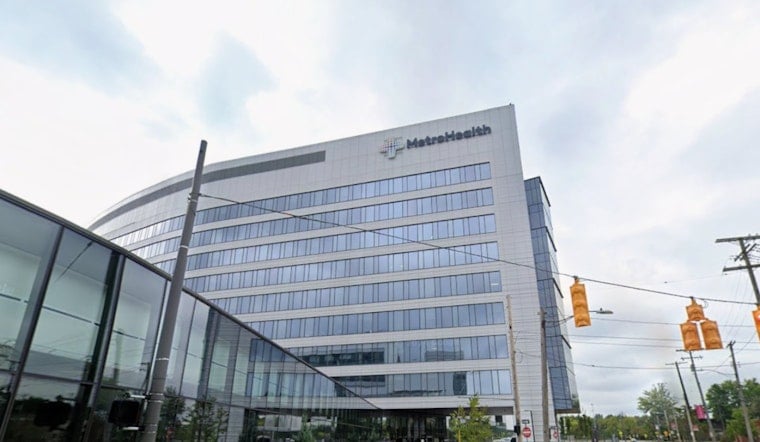
MetroHealth is doubling down on Cleveland’s West Side, pulling the curtain back on a sprawling new $224 million Outpatient Health Center at its main campus in the Clark-Fulton neighborhood. The six-story complex is designed to pull imaging, specialty clinics, infusion bays, and other services into one place, while tossing in neighborhood-friendly perks like a 24/7 drive-thru pharmacy. It is a major consolidation move for a system that has long spread outpatient care across multiple locations and is now trying to balance big construction bills with rising uncompensated care.
What the new building holds
The Outpatient Health Center is set up as a one-stop shop for a wide range of specialties. Cancer care, OB/GYN, pediatrics, orthopedics, neurology, and imaging will all move into the new outpatient hub, alongside procedural suites and expanded infusion capacity. The project is described as a roughly $224 million investment, as reported by the Cleveland Business Journal.
Why the timing matters for MetroHealth’s finances
The expansion arrives at a tricky financial moment. MetroHealth is dealing with sharply rising charity-care costs that have put pressure on its operating margins. Board materials presented to the system’s finance committee show gross charity-care charges reached about $275 million through September 2025, roughly equal to the total for all of 2024, and the system reported a year-to-date operating loss of about $31 million. These figures were detailed in the MetroHealth finance committee report.
Changes already under way
To deal with those financial pressures, MetroHealth has been consolidating operations and adjusting which services it offers. The system said it will scale back pediatric trauma care at the end of the year as volumes declined and staffing made coverage difficult, a change reported by Signal Cleveland. Hospital leaders have been reshuffling clinic footprints and budgets in recent years as they try to steady the system’s finances.
A design built for consolidation
MetroHealth says it reworked the building’s interior with patient flow and efficiency in mind. The layout adds about 70 exam rooms and 11 procedure rooms, and it doubles the number of infusion bays. The plan also includes connected parking and a climate-controlled walkway to make it easier to get in and out without battling the elements. The center will feature a 24/7 drive-thru pharmacy intended to improve access for patients who have mobility or transportation challenges. As outlined by MetroHealth, the new center is scheduled to welcome its first patients in July.
What leaders say and what won’t change overnight
“The Outpatient Health Center is a bold step forward in our commitment to reimagine care,” MetroHealth President and CEO Christine Alexander-Rager said in a statement. Leaders acknowledge that the new facility is expected to improve access and coordination, but they are not pretending it will instantly fix reimbursement shortfalls or the surge in uncompensated care that has weighed on the system’s budget.
What patients should know
For patients, the biggest shift will be convenience. The center will bring together services that are currently scattered across multiple MetroHealth locations, which leaders say should cut down on trips and make follow-up care less of a logistical headache. MetroHealth plans to move clinical operations into the new building this summer, then repurpose or demolish older campus buildings later as part of its longer-term campus transformation plan.



