

























































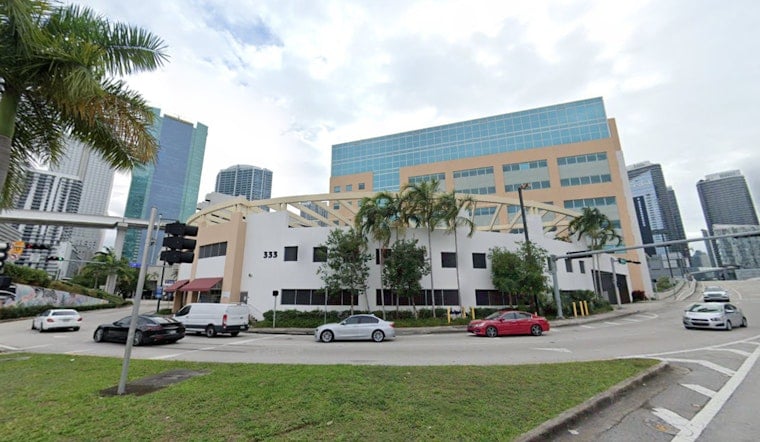
In downtown Miami, immigrants who thought they had years to prepare for their day in court are suddenly being told to show up in days or weeks instead. Hearing dates that were set for 2027 or 2028 are being yanked forward, sometimes by years, leaving families, translators and small legal teams scrambling to pull together evidence, paperwork and legal representation on the fly.
Outside the Miami immigration court, people clutching updated notices say their master calendar hearings have been moved up by months and, in some cases, by years, according to CBS News Miami. Immigration attorney Morella Aguado told the station the rapid-fire rescheduling is putting "enormous pressure" on both immigrants and lawyers, and that attorneys are already begging judges for continuances because there is simply not enough time to prepare. One woman said a hearing she thought was safely parked in October 2028 has now been moved to next week.
The Executive Office for Immigration Review's Miami court page lists the downtown court at One Riverview Square, 333 S. Miami Avenue, Suite 700, along with its hours and contact information for the public, per the Executive Office for Immigration Review. The agency's Miami pages show recent updates and note that the court is adjusting schedules as it adds judges to chip away at a long-standing caseload. The listing also includes a local phone number and email address for anyone who needs to reach the court with questions.
Federal Push To Speed Dockets
What Miami residents are dealing with is part of a much larger shift nationwide. Across the country, immigration courts are stacking up huge "master calendar" sessions that pack dozens, and sometimes more than 100, people into a single hearing block, according to KQED. Immigration lawyers interviewed by reporters have started calling these mass sessions "mega masters" and say many of the people on those dockets were originally scheduled for 2027 or 2029, which only increases the odds that someone will miss a suddenly rescheduled date. Vanessa Dojaquez-Torres of the American Immigration Lawyers Association warned that bunching cases together hits people without lawyers the hardest and can leave some with no chance to get proper notice or even a seat in the courtroom.
Examples Outside Florida
The same playbook is showing up far from South Florida. At the Fort Snelling, Minnesota, immigration court, one posted docket scheduled 73 people for a single morning block, according to the Star Tribune. Observers reported crowded courtrooms where many people did not have legal counsel, which raises the risk of quick dismissals or default orders if someone misses a cue or a requirement. Advocates say these mass dockets can overwhelm court staff and make it much harder for people to juggle work, transportation or childcare to attend, or to get the right documents filed on time.
Legal Stakes For Miami Families
In Miami, local attorneys say the impact is already real and immediate. Lawyers told reporters they are rushing to file continuance motions because they do not have enough time to prepare solid cases, and some clients are now terrified they might be detained when they show up on their surprise new hearing dates, according to CBS News Miami. Nationally, immigration groups and legal advocates have been warning attorneys to monitor EOIR calendars constantly, since these reshuffled dockets can result in in-absentia removal orders if a notice never reaches the person it is supposed to, as documented by KQED. They argue that this pressure on due process is landing just as the agency is adding staff to bring down a backlog that now numbers in the millions of cases.
What To Do If Your Hearing Was Moved
If your immigration court date suddenly changes, the first move is to contact your attorney or a local legal aid group right away to confirm the new date and time. You can also check your case status yourself through EOIR's Automated Case Information portal or by calling the 24/7 hotline at 1-800-898-7180, per the Executive Office for Immigration Review. Make sure the court always has your current address, and bring proof of representation or any notices you have to the clerk. If you cannot find a lawyer in time, community legal clinics and pro-bono programs often help people file emergency continuance requests.
Attorneys and advocates in Miami say they will be watching closely in the coming weeks to see whether this push to speed up dockets truly helps clear the backlog without trampling on anyone's chance to be heard. For now, the sudden shift has dialed up the anxiety for families who thought they had years, not days, to get ready for one of the most important hearings of their lives.





