

























































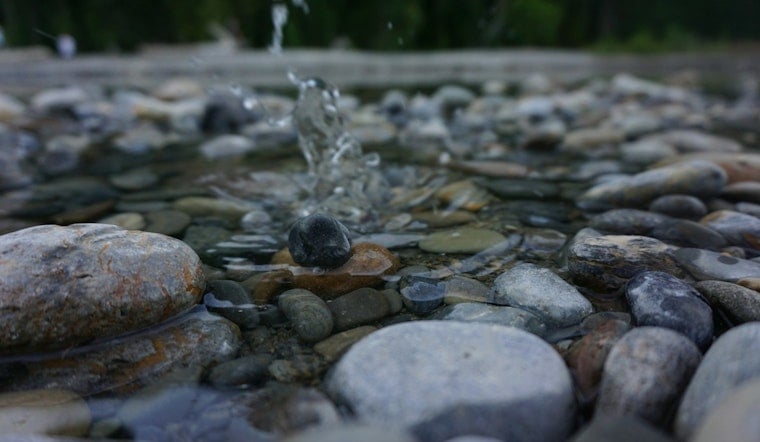
The heat building under Minneapolis is not just in the air. New measurements and long-running studies indicate the groundwater beneath the city is warming, a trend that could ripple up into cherished springs, coldwater streams and even aging pipes. Geologist Greg Brick and other researchers have logged temperatures at Coldwater Spring and in underground voids beneath downtown that sit several degrees above historical baselines, raising fresh questions about what a warmer aquifer might mean for fish, plants and public health.
According to MPR News, Brick measured groundwater emerging at Coldwater Spring in November 2025 and told reporters he has observed warming beneath the city. The outlet set his observations alongside university monitoring and long-term records that together suggest Coldwater Spring has been running warmer in recent years.
Those newer readings contrast with much colder historical measurements. In 1836, Joseph Nicollet’s notes put Coldwater Spring at roughly 46°F (about 7.8°C). Monitoring by the University of Minnesota from 2013 to 2015 found temperatures in the low teens Celsius. The multi‑year data set on temperature, chemistry and flow at the site is compiled in a thesis from the University of Minnesota.
How the city heats what’s below
Researchers say the source of the extra warmth looks urban rather than deep and geothermal. Heat bleeding off pavements, basements and warm stormwater can conduct downward into shallow aquifers and nudge up spring temperatures. Greg Brick describes that mechanism in work focused on the Minneapolis subsurface, while global studies of subsurface urban heat islands, including research by Menberg et al., 2013, report similar patterns in cities elsewhere.
Risks to springs, fish and pipes
Warmer groundwater is not just a curiosity on a thermometer. Scientists note it can reshape stream and spring ecology, stress coldwater species and alter chemical and microbial processes. Process‑based research shows that streams dependent on cold groundwater inputs are especially sensitive when that cool inflow is reduced, with summer temperature peaks rising noticeably as a result. Studies from the USGS highlight that vulnerability, and local experts have warned that warmer subsurface water could intensify microbial risks during water‑main breaks.
Public-health concerns are not theoretical in the Twin Cities. Commentaries and reporting by the Star Tribune have raised alarms about raw drinking water and potential health impacts, while the National Park Service explicitly warns that Coldwater Spring’s water is not potable and notes that it has tested positive for bacteria in the past.
Other urban stressors
Heat is only one of the pressures bearing down on urban springs. Decades of road‑salt use have pushed chloride concentrations upward in Twin Cities aquifers, and emerging contaminants such as PFAS complicate life for water managers. A regional analysis by McDaris et al., 2022 warned that chloride levels in many wells could exceed chronic thresholds by mid‑century if current trends continue, while state monitoring programs document the rising concentrations and provide the data underpinning those projections.
Monitoring, models and the near‑term outlook
State and federal agencies are now building out monitoring networks and computer models to keep closer tabs on what is happening underground. Continuous groundwater networks and regional flow models are operating across the metro area. The Minnesota DNR, the USGS and the Metro Council maintain monitoring programs and a regional groundwater flow model that researchers say should be paired with higher‑frequency temperature and chemistry logging. That combination, they argue, would better capture short‑term spikes and help connect groundwater trends to spring ecology and infrastructure risks.
For now, municipal drinking water remains treated and regulated, but hydrologists view the warming trend as an early warning that justifies more intensive monitoring and targeted infrastructure investment to reduce contamination risks. As MPR News reports, researchers are planning more focused measurements to pin down how quickly subsurface temperatures are changing and what that shift could mean at the surface.



