

























































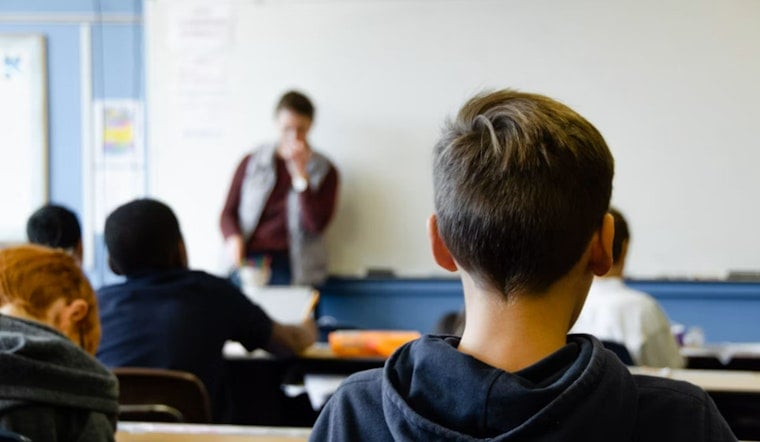
Missouri kids are still struggling to catch up in school, and the numbers are not pretty. New national data show the state’s students remain well behind pre‑pandemic levels in reading and math. Roughly three out of four fourth‑graders are not reading at grade level, and more than three out of four eighth‑graders are not proficient in math. Advocates say those gaps are tied to stubborn poverty, housing instability and slipping health coverage, and the fresh figures are turning up the heat on state and local leaders to invest in early literacy and support for high‑need families.
Statewide results and rankings
According to the Annie E. Casey Foundation, 73% of Missouri fourth‑graders were not proficient in reading, up from 66% in 2019. In math, 77% of eighth‑graders were not proficient, compared with 68% before the pandemic. The report gives Missouri a KIDS COUNT score of 567 out of 1,000, modestly above the national average of 547, but only enough for a 28th‑place ranking in overall child well‑being. The 2026 KIDS COUNT Data Book also rolls out a new scoring system that tracks 16 indicators across economic, education, health and family or community categories to measure progress since 2019.
Local reaction and civil‑rights concerns
The statewide picture lines up with what many educators and advocates say they have been warning about for years. As reported by St. Louis American, the St. Louis City branch of the NAACP has filed federal civil‑rights complaints that allege a “literacy crisis” across 34 city and county school districts. Local NAACP leaders told the paper they want federal mediation and stronger local action to close racial and income‑based gaps in reading. School leaders in neighborhoods hit hardest by poverty and, more recently, tornado damage say the KIDS COUNT snapshot mirrors what they see in classrooms every day.
Advocates point to health, housing and access
Advocates argue that what happens outside the classroom is dragging down what happens inside it. Tracy Greever‑Rice of the Family & Community Trust told KRCU Public Radio that “policy transitions” have already cost some families their health coverage, and the Annie E. Casey Foundation reports that the share of uninsured Missouri children rose from about 5% to 7% in 2024, roughly 95,000 kids. Gaps in housing affordability, parental employment and access to health care, advocates say, are making academic recovery wildly uneven from one district to the next.
Districts offering a blueprint
The data are not all doom and gloom. The report notes that some districts are showing significant progress. The Maplewood‑Richmond Heights School District’s Annual Performance Report shows the district’s APR score rising from 84.3% in 2023 to 97% in 2024 and 98.5% in 2025, according to the district’s published APR. The district credits steady, targeted supports and a focus on student growth for the gains, and local leaders say that small‑district strategies there could help shape broader recovery efforts statewide. For more detail, families can review the district’s APR page.
What’s next for Missouri
State advocates and district leaders told the St. Louis American they want long‑term investment in early literacy, health coverage and housing supports if Missouri is serious about closing the gap. William Dent of the Family & Community Trust said the report “reinforces the importance of addressing children’s basic needs,” and educators say the real test will be whether those recommendations translate into funding and policy in Jefferson City. With summer learning programs in motion and fall plans taking shape, local organizers are pushing state officials for clear timelines and specific dollars tied to the KIDS COUNT findings.





