

























































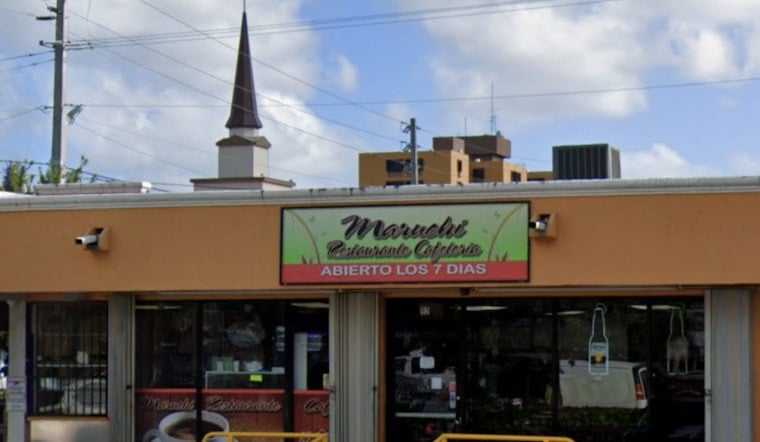
Three Miami-area restaurants in Hialeah, Key Biscayne and Doral landed on this week’s Dirty 30 list after state inspectors logged 30 or more violations at each spot. Inspection notes describe issues that can raise the risk of foodborne illness, including mold-like buildup inside ice machines, unsafe food temperatures, standing water, soiled equipment and signs of pests.
This Week’s Dirty 30 Lineup
Local 10’s Dirty Dining roundup tagged Maruchi Supermarket & Cafeteria as the week’s worst offender, reporting 43 violations after a complaint-driven inspection on June 9. Bocas House was cited for 34 violations on June 2, and Papercrane Thai & Sushi tallied 30 violations on June 10, according to Local 10. The violation totals and inspector notes reproduced in that report form the basis for this week’s Dirty 30 list.
Maruchi Supermarket & Cafeteria
Public inspection summaries compiled from state records show repeated high-priority problems at Maruchi in early June, including standing water, soiled walk-in cooler shelves, ice-machine buildup and dead roaches on the kitchen floor, according to FloridaFoodSafety.org. The DBPR summaries linked there also cite temperature-control failures that in some cases led to stop-sale actions for time and temperature controlled foods.
Bocas House and Papercrane Thai & Sushi
Inspectors flagged Bocas House for damaged and missing ceiling tiles, a dish machine that was not sanitizing correctly, recurring issues with refrigeration and floors, and lapses in employee training. Papercrane’s inspection report listed mold-like buildup in the ice machine, failures to sanitize food-contact surfaces, gaps in employee training and concerns about raw-fish handling, according to Local 10.
How Enforcement Works In Florida
State rules give the Division of Hotels and Restaurants authority to issue stop-sale notices, supervise the destruction of food deemed unsafe and, when an establishment presents an imminent public health threat, issue emergency orders that close operations until hazards are corrected and re-inspected. Those enforcement powers and the common violation codes are laid out in guidance from DBPR's Division of Hotels and Restaurants. In severe or repeat cases the division can escalate to administrative complaints or emergency-order suspensions of a license.
Where To Check Restaurant Records
Inspection reports are public and searchable, and third-party trackers such as FloridaFoodSafety.org republish DBPR summaries in an easier-to-read format. For full inspector notes and ongoing Dirty 30 coverage, readers can review the state inspection records along with the FloridaFoodSafety database.





