

























































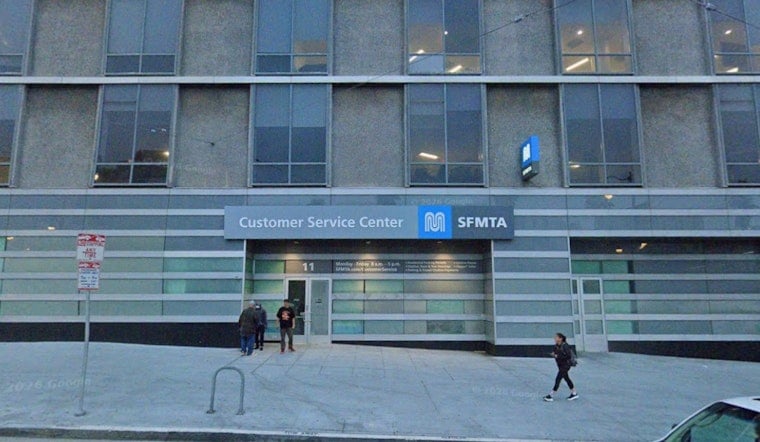
A new round of Muni changes quietly announced this week will make several buses skip neighborhood stops across San Francisco, a shift that could leave many older adults and people with disabilities with fewer realistic options for grocery, pharmacy and medical trips. For riders who cannot walk farther to the nearest stop or pay for other transportation, the SFMTA’s Essential Trip Card, a subsidized taxi debit card, is being pitched as a short-term safety net.
Routes That Will Miss Stops
According to a notice from SFMTA on X, the 39 will skip stops along Union Street and will not service Coit Tower; the 56 will skip stops on Wilde, Delta and Raymond; the 36 will skip stops on Myra Way; the 37 will skip stops near Buena Vista Park; and the 35 will be adjusted to make a connection with Glen Park BART. Those route adjustments are part of a broader wave of schedule and stop changes that the agency says are aimed at improving reliability, but they also tighten the margins for riders who depend on closely spaced stops.
For some seniors & people w/ disabilities, walking farther to the nearest stop or paying for other transportation isn’t possible. The Essential Trip Card provides 2 to 3 round trips by taxi & at 20% of the cost of a regular cab fare. https://t.co/PG1OR1nO4S
— SFMTA (@SFMTA_Muni) June 19, 2026
How the Essential Trip Card Works
The Essential Trip Card subsidizes about two to three round-trip taxi rides per month for older adults and people with disabilities, according to SFMTA. Eligible participants pay roughly 20% of a normal cab fare, so $6 buys $30 of taxi value and $12 buys $60. Cards are mailed to qualifying riders and can be refilled once a month. The program, launched during pandemic service reductions, remains active as a targeted option for trips that are difficult to make on Muni.
Local Groups And City Officials Call It A Lifeline
Community Living Campaign says it has paid the $12 monthly contribution for some clients so they can use the card at no cost, helping low-income seniors and people with disabilities reach appointments and stores. The city’s human services agency and transit officials framed the ETC as an emergency measure when it started, saying it was designed to help residents who cannot safely reach a Muni stop because of age, disability or steep neighborhood terrain.
Why This Matters
SFMTA has rolled out a number of cost-neutral service adjustments amid an ongoing budget shortfall, and a San Francisco Chronicle analysis has shown that shortened or cut routes can change travel habits and reduce ridership on affected lines. Transit advocates warn that a handful of subsidized taxi trips does not replace frequent nearby stops for riders who have limited mobility, and they say the city needs a longer-term accessibility plan.
For now, the Essential Trip Card remains a stopgap: the SFMTA site notes the program is extended "until further notice" and that participants will receive advance notice before any changes. Riders who think they qualify can call SF Paratransit or find details on the SFMTA ETC page.




