

























































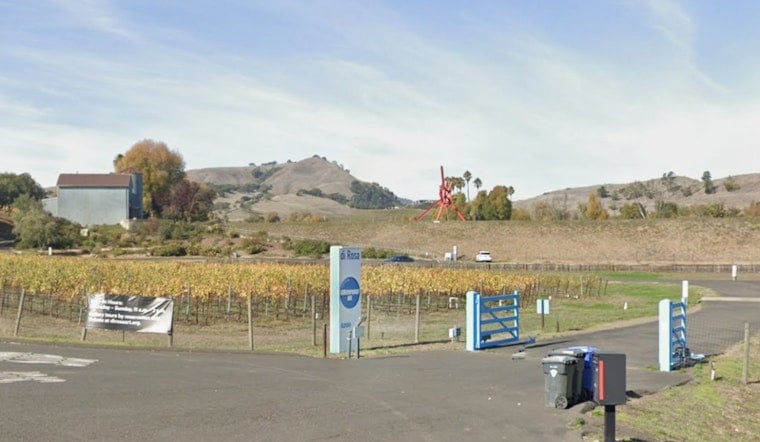
The future of the di Rosa Center for Contemporary Art’s 217‑acre Napa campus is suddenly on shaky ground as the nonprofit confronts a deepening budget hole, a January land listing and a brewing leadership shakeup. Supporters and donors are split over whether to sell a portion of the preserve, transfer acreage to conservation partners or keep the site intact and chase new revenue. With filings showing heavy liabilities and the board mulling complicated sale-and-lease scenarios, the coming months could define what survives of the museum and its collection.
The nonprofit put the 217‑acre estate on the market for $10.9 million in January, a move leaders cast as a way to create options to stabilize operations while safeguarding the artworks. According to the San Francisco Chronicle, the organization has floated selling the upper Milliken Peak parcel while trying to keep public access to outdoor works. Commercial property listings show the offering went live in mid‑January and was marked “listing removed” on May 1, per Realtor.com.
Budget Shortfall in Filings
Federal tax filings compiled by ProPublica show di Rosa reported net assets of negative $2,492,707 for the year ending 2024 after several consecutive years of operating losses. The records trace a slide from modest net assets in 2019 to multiyear deficits that now leave liabilities far ahead of cash and investments. Leaders say the gap has forced cost-cutting and a heavier dependence on earned income, such as event rentals and touring exhibitions.
Endowment, Visitors and Maintenance
Board members and museum officials have told local reporters that the di Rosa endowment has shrunk from roughly $5 million to under $500,000, leaving little cushion for operating shortfalls or capital repairs. The Napa Valley Register reports the Napa campus drew about 5,776 visitors from August 2025 through May 2026, while the San Francisco gallery logged around 6,852 visitors in that same period, and that rental income growth still does not cover deferred maintenance estimated at roughly $700,000. The squeeze of shrinking reserves, rising upkeep costs and thin earned revenue has ramped up pressure to find a sustainable model.
Local Pushback and a Leadership Reset
In response, supporters quickly formed a Friends of the di Rosa Preserve group and launched a petition that has gathered more than 388 signatures, according to the Napa Valley Register. Board treasurer Gordon Huether wrote that "the museum had been allowed to dwindle to less than $500,000" and is expected to step in as interim president while interim leader Neal Harrison prepares to depart on June 26, 2026. The turmoil has sharpened calls for a clear plan that balances conservation, community access and responsible care of the collection.
Conservation Deal Being Floated
One scenario under discussion would hand the mostly undeveloped upper Milliken Peak acreage to a conservation organization while keeping the lower parcel for events and exhibitions. Artnet News reported that di Rosa has been in talks with the Napa Land Trust and the county Open Space District about a split sale that would leave sculptures in place as public trail land. Commercial listing language outlines grazing land, two barns and several outdoor installations on the upper parcel, highlighting how a conservation transfer could protect art on the hillside without fully resolving the operating deficit described in the listing on LoopNet.
What Happens Next
The museum says it plans to remain open through any sale process and is pushing touring exhibitions, membership growth and more event rentals to rebuild revenue. According to di Rosa, the permanent collection includes more than 1,600 works, and the Napa campus features nearly 80 outdoor sculptures - a cultural resource supporters argue must be protected regardless of who owns the land. Trustees have not yet scheduled a final vote, and the next stretch will test whether conservation partners, donors and the board can hammer out a lasting plan to steward both the art and the grounds.




