

























































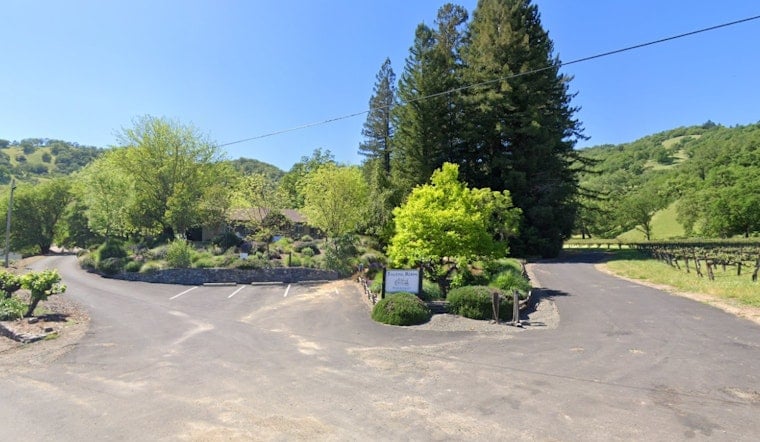
Napa and other North Bay wineries are quietly turning their vineyards into something new as wine sales cool off: campgrounds, farm stays, chef tables, and even small-batch jams and honey. From Ukiah to Lake County, family-run outfits are layering on RV parking, weekend events, and overnight lodging to help plug the gaps left by softer wholesale and retail wine revenue.
From Tasting Rooms To Tent Sites
At Nelson Family Vineyards outside Ukiah, visitors can now park the RV and stay a while instead of just popping in for a pour. The fourth-generation ranch lists multiple RV sites alongside concerts, tastings, and a farm shop on its website, according to Nelson Family Vineyards. The property still leans on its tasting rooms and wedding business but has clearly decided overnight guests are part of the future.
Campers do not just stumble in at random, either. They reserve spots through Hipcamp, where visitors are shown booking RV stays and talking up the working-ranch vibe. It is a far cry from the traditional swirl-and-spit tasting room model, but it is still built on the same rows of vines.
Farm Stays, Chef Dinners And Wedding Business
A short drive away across Clear Lake, The Ripe Choice Farm & Catering is doubling down on the overnight experience too. The business now promotes a barn-loft studio, chef's table dinners, and event catering that pull double duty as lodging and visitor revenue, according to The Ripe Choice. Overnight stays, Harvest Host listings, and other booking channels are framed as steady income streams that help keep the property humming between big events.
State Law Makes Camping Easier
This pivot to tents and trailers is not just a creative whim. Last year, California carved out a new "low-impact camping" category that trims zoning and permitting headaches for small private campgrounds. Guidance from the Department of Housing and Community Development on Assembly Bill 518, along with a press release from Assemblymember Chris Ward, spells out the rule changes that many farms and wineries are using to add regulated overnight options. For those who want to wade into the fine print, the official language lives at the California Department of Housing and Community Development and in materials from Assemblymember Chris Ward.
Why Wineries Are Diversifying
Behind the fire pits and barn lofts is a tougher story about shifting drinking habits. Industry data show that both dollar and volume sales of wine have softened, while ready-to-drink cocktails, low-alcohol options, and moderation trends are pulling consumer spending in new directions. Analysis from BCG and reporting in Beverage Industry trace that pressure across the broader alcohol market, which helps explain why experiential revenue, from tastings to overnight stays, can look more reliable than bulk grape sales for growers.
On the ground, owners say those trends are not abstract. As reported by the New York Post, Lake County grower Mark Lipps told local media he couldn't sell a flood of grapes last year, a shortfall that helped push his operation toward events and lodging.
Across North Bay wine country, the result is a mix of survival strategy and reinvention. Farms are stacking hospitality income on top of agriculture to smooth out seasonal slumps. Listings on Hipcamp and on direct farm websites have become key booking pipelines, and for many small wineries, the bottle is now just one of several things keeping the lights on.





