

























































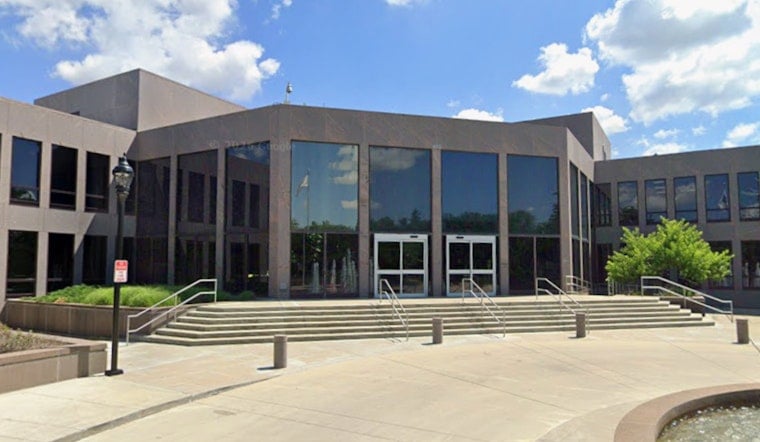
Naperville’s City Council has signed off on a new set of ground rules for how federal immigration agents can use city space, approving a “Due Process and Municipal Property” ordinance that reins in civil immigration enforcement activity on municipal turf. The measure cleared the council on June 2 on a 6-2 vote, according to local reports, and is aimed at spelling out where the city ends and federal immigration work begins.
What the ordinance does
The ordinance bars the city from designating, authorizing, making available or consenting to the use of city-owned or city-controlled parking lots, buildings, parks or other municipal facilities as staging areas, operations bases or processing hubs for civil immigration enforcement. In plain English, Naperville is telling immigration agents they cannot turn city spaces into temporary enforcement camps.
The measure carves out clear exceptions. Federal agents can still use municipal property when they present a valid judicial warrant or court order, and the ordinance expressly preserves criminal-law enforcement activity. City departments are also required to adopt internal procedures to document any known instances of federal immigration agents using city property, as laid out in the ordinance text on the City of Naperville Legistar.
Narrow standard, city attorney says
City Attorney Michael DiSanto told council members the language was drafted to be tight, not sweeping, and would not give police any new reason to stop or detain people. He emphasized that the ordinance applies to “known instances” of immigration agents using municipal property and that it “contemplates a reasonable, good-faith observation” rather than calls based on how someone looks or where they are from.
DiSanto added that the nuts and bolts of how staff should document such encounters will be handled through administrative procedures and training materials. Those clarifications were included in the council Q&A posted on the city’s Legistar page: City of Naperville council Q&A.
Council split and local reaction
Supporters on the dais cast the move as a response to repeated concerns from residents and advocacy groups, saying it is meant to reinforce constitutional protections and send a message to immigrant neighbors that they are part of the community. Councilwoman Supna Jain said the ordinance offers clarity and signals that people “belong.”
Critics, including Mayor Scott Wehrli and Councilman Josh McBroom, were not convinced. They warned the measure could end up mostly symbolic or create a false sense of security about what the city can actually shield residents from when it comes to federal immigration action. The ordinance ultimately passed 6-2, with Wehrli and McBroom voting no and Councilman Nate Wilson absent, according to NCTV17.
Implementation and legal questions
City staff have already cautioned that the ordinance’s “practical effect would be largely declarative and symbolic,” noting that the heavier lift will be behind the scenes, in the form of training, documentation and internal policy guidance rather than on-the-ground enforcement power, according to the Daily Herald.
The ordinance includes a savings clause that preserves any actions required by federal or state law, which means bigger legal questions, such as federal preemption and the risk of court challenges, are left unresolved for now.
Next up, the City Manager is tasked with coordinating the administrative policies and training the ordinance calls for. Departments are expected to begin documenting situations that meet the “known instances” standard. Supporters say the new rules draw a cleaner line between municipal government and federal immigration enforcement while offering some reassurance to immigrant residents. Skeptics counter that, in the end, federal supremacy and the courts will decide how much real-world bite Naperville’s new policy actually has.





