

























































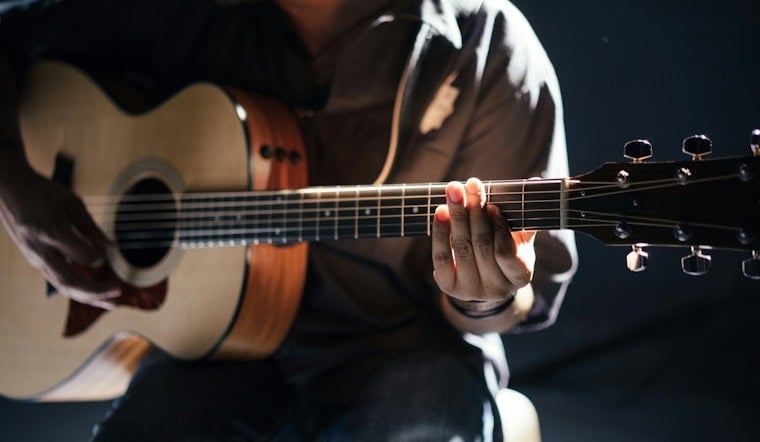
Adam Paddock, a Nashville musician recording out of a small home studio in Germantown, says a newly released database shows AI developers have quietly pulled dozens of his songs into music-training models. He found 48 tracks listed in public collections, about 71 percent of his recorded catalog, a discovery he describes as devastating after years of largely unpaid work. For independent artists who rely on gigs and streaming checks that barely stretch, he says, the scraping feels like salt in the wound.
As reported by WSMV, Paddock, a Cincinnati-born songwriter who moved to Nashville about four years ago, stumbled on the matches after seeing social posts pointing to a watchdog engine tied to an Atlantic investigation. “Every song has 100 hours plus invested in it directly, let alone indirectly,” he told WSMV. The station reports that thousands of artists are now finding similar hits in the database and that many have signed petitions calling for strict limits on how companies harvest music.
Public Databases Show the Scale
The scope is enormous. Reporting on The Atlantic's work points to four shared datasets that together hold more than 21 million recordings, including collections of roughly 12 million and 9 million tracks and two smaller sets of about 100,000 each. Engadget notes that the largest collection, LAION‑DISCO‑12M, was released for research purposes but has since been downloaded and repurposed by developers. The lists sweep up everything from chart-topping hits to obscure indie cuts, which means even neighborhood Nashville songwriters can discover their work buried in a model's training data.
Lawsuits, Labels, and Streaming Fallout
Music Business Worldwide reports that the revelations have poured fuel on an already growing legal fight. The RIAA sued generative-music startups Suno and Udio in 2024, and major labels have since split between cutting licensing deals and pressing ahead in court. Industry figures show streaming platforms are being flooded with synthetic music, with Deezer telling outlets it was receiving tens of thousands of fully AI‑generated tracks per day at peak. Unions such as the American Federation of Musicians have filed lawsuits alleging members were never paid when recordings were licensed to AI firms. Together, those battles help explain why artists now talk about transparency and accountability as urgent, not abstract, demands.
Lawmakers Eye Transparency and New Rights
In Washington, policy proposals are circling that would give creators at least some leverage over how their work lands in training sets. IP Update outlines the TRAIN Act, which would allow copyright owners to seek court subpoenas for records of what was used to train AI systems, and describes NO FAKES‑style proposals that would build fresh protections around a person's voice and likeness. It adds up to a two-front fight. Artists and unions are testing old copyright law in courtrooms while lawmakers debate new statutory rights and transparency rules.
Paddock's Ask to Music City
Paddock told WSMV that for now, the most realistic defense is old-fashioned community support. “Now more than ever is the time to support the artists that you feel like are the most human,” he said, urging fans to buy tickets, show up to small venues, and stream music straight from indie artists. He added that creators have few practical tools to stop scraping and that local revenues and producers are the ones taking the immediate hit. For Nashville venues and the people whose rent depends on them, those faint signals of demand can mean survival.
Legal Implications
Legal experts say the court cases already underway will determine whether scraping copyrighted music for AI training is treated as infringement or protected fair use, while legislators move in parallel to sketch out new remedies. IP Update explains that under the TRAIN Act, a court could order developers to disclose what materials were used for training, and that refusal to comply could create a presumption in favor of the copyright owner. Until judges or Congress draw clearer lines, independent musicians like Paddock remain exposed and are increasingly organizing to push for change.





