

























































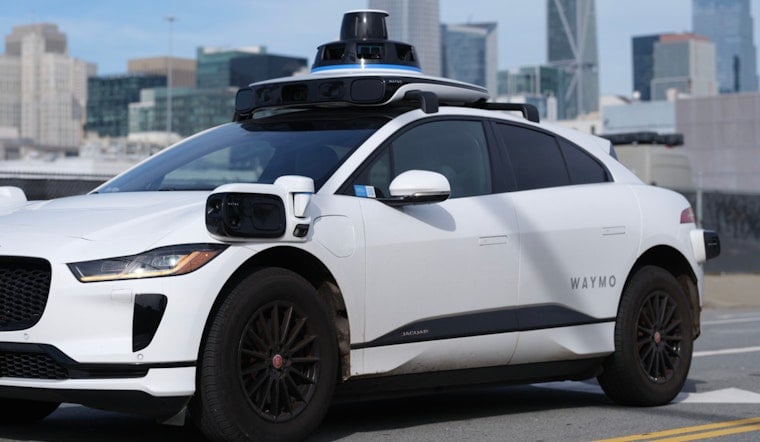
New Orleans is not ready to hand its streets over to driverless cars just yet. City officials are tapping the brakes on fully autonomous robotaxis while they decide what rules should apply inside parish lines. The City Council's Transportation Committee is considering a new ordinance that would force autonomous ride-hailing companies to get a city license before they are allowed to pull the human driver out of the front seat.
Council Weighs Local Licensing
At a recent Transportation Committee meeting, councilmembers dug into a proposal that would require autonomous ride-hailing companies to obtain a city "certificate of public necessity and convenience" before they can operate without a human operator, according to NOLA. That is the same type of permit already used by traditional taxis, pedicabs and even horse-drawn carriages.
Council Chair Eugene Green told the committee that public safety is the top concern and that members are closely watching how other cities are handling the robotaxi rollout. Supporters of the proposed license say it would give New Orleans a formal way to vet safety plans, insurance coverage and operating routes before any company flips the switch to fully driverless service.
Waymo Still Testing With Safety Drivers
Waymo quietly rolled into New Orleans in February 2025 and has been spending its time mapping streets and collecting driving data with specialists behind the wheel, as reported by GovTech. The company still needs certification from the Louisiana Department of Transportation and Development before it can offer driverless rides, and state officials told reporters they have not yet received a formal request.
"We need to hit the benchmarks set by our safety framework first and foremost," a Waymo spokesperson said, according to GovTech. Translation for locals watching the cars creep around town with safety drivers: the fully driverless phase is on corporate time, not city time, at least for now.
Timeline And Licensing
City staff told the committee they expect to bring back formal licensing language later this year, but they warned that the regulatory machinery will not move overnight. Ashley Becnel, who addressed the committee, said the city likely could not make such licenses available before 2027, according to NOLA.
Councilmembers suggested that this slower timeline might actually be an advantage. It would give New Orleans time to study how other cities structure their robotaxi rules and then write terms that reflect local realities, including traffic quirks, heavy tourism and equity concerns about who gets served and who gets left on the curb.
State Preemption Could Complicate Local Rules
Even as City Hall works on its own plan, state law looms in the background. The National Conference of State Legislatures tracks autonomous-vehicle legislation around the country and shows a patchwork of state approaches that can limit or block local bans or fees. City officials said that landscape is part of their calculus as they design any New Orleans ordinance.
In some states, legislatures have moved to preempt local action on autonomous vehicles. In others, cities have more freedom to regulate. Where Louisiana ultimately falls on that spectrum could decide how far New Orleans can go with its own rules without triggering a clash at the Capitol.
Local Concerns: Potholes, Crowds And Accessibility
Councilmembers also surfaced some distinctly New Orleans problems that are not spelled out in statute books: packed French Quarter streets, unreliable traffic signals and a pothole situation that can confuse human drivers, let alone vehicle sensors.
Waymo has floated a partial fix on at least one of those fronts. The company has proposed sharing pothole-detection data with cities through a partnership with Waze, and local leaders have pointed to that offer while also acknowledging the city’s existing 311 repair backlog, as noted by GovTech.
Waymo, for its part, has highlighted potential accessibility benefits and integration plans on its company blog as it prepares for a future launch in New Orleans, according to Waymo. The sales pitch is that autonomous rides could help more people get around the city, even if the rollout is moving at a cautious pace.
What Happens Next
In the coming months, the Transportation Committee is expected to refine the permit language while city staff stay in contact with state regulators. If the council ultimately signs off on a license requirement, any operator would have to clear both a local approval process and the Louisiana DOTD certification. That two-step means there is no firm date for when fully driverless service might actually arrive.
For now, New Orleanians will keep spotting Waymo vehicles around town with trained specialists still in the driver's seat while regulators sort out which agency gets the final say on what is happening in the back seat.
Legal Implications
Legal fights over the balance of power between cities and states are a real possibility if New Orleans adopts rules that conflict with state law. According to the National Conference of State Legislatures, local permitting that sticks to issues like safety, insurance and traffic impacts is more likely to hold up in court than any sweeping attempt to block autonomous vehicles outright.



