

























































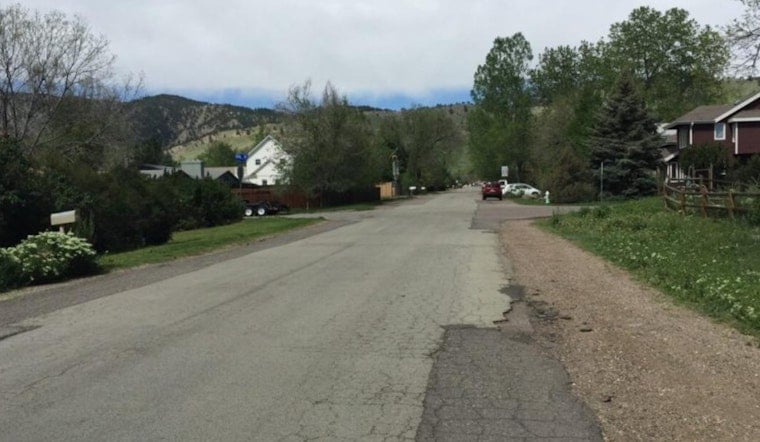
Homeowners along Sumac Avenue in north Boulder are staring down some serious sticker shock after learning they could be on the hook for a collective $1.8 million to rebuild their street. Fifty-two properties received notices outlining possible assessments ranging from roughly $30,000 per household up to as high as $90,000. The bills would help fund a city reconstruction project that adds curb-and-gutter, new sidewalks, storm drainage upgrades, and other improvements along the corridor, all tied to annexation covenants recorded decades ago when the neighborhood joined the city. Residents say the letters landed out of the blue.
Neighbors say the notices spell out that each owner could owe tens of thousands of dollars, with the final number determined by lot size and how much of their property fronts the road. "I've heard it's from $30,000 up to $90,000 depending on your road frontage," resident Mary Giudice told Denver7. The outlet reports that city staff is proposing a roughly an $8 million rebuild of Sumac Avenue, with about $1.8 million of that total split among the 52 properties under a cost-sharing plan now on the table.
What the city wants to build
According to project materials, the City of Boulder design centers on full pavement reconstruction, improved drainage, an eight-to-ten-foot sidewalk on the north side of Sumac, and new marked crossings at 15th and 17th streets. Staff notes that work on the project resumed in 2024 after a pandemic pause and says they have been meeting with residents through open houses and one-on-one conversations about both the design and how to pay for it. "Property owners with frontage, or land affected by the project, may share in the cost of the improvements according to the existing annexation agreements," the city explains in documents cited by the City of Boulder.
Why some homeowners might pay
The potential bills trace back to an annexation covenant recorded when Boulder annexed the Sumac area roughly 40 years ago, and city officials say that language can carry over from one owner to the next. Councilman Mark Wallach told Denver7 the decades-old covenant appears to be legally binding, though he also said it is still unclear whether the city will ultimately enforce it. Neighbors worry that if the city does, Sumac could become the test case for how Boulder handles other older streets covered by similar agreements.
How the bill would be collected
To actually collect the money, staff has floated creating a Local Improvement District, a common tool that spreads right-of-way costs among properties that are considered to benefit from the work, and they have discussed that option at Transportation Advisory Board meetings while they refine potential funding plans. TAB agendas and project documents indicate staff are coordinating outreach and holding one-on-one meetings with property owners. Any Local Improvement District would need City Council approval and a public hearing before assessments could be finalized. For more information on the proposal, residents can review the project page and TAB materials on the City of Boulder website.
Why this is happening now
The Sumac Avenue project was first launched in 2019, put on hold in 2020, and then restarted in 2024, which helps explain why homeowners are only now seeing concrete numbers and potential assessments as staff shift from design work to construction planning. Earlier coverage of the Sumac corridor in December 2024 noted that the city had returned the project to its work plan and continued neighborhood outreach. Taken together, city materials and local reporting portray a street upgrade that many neighbors support in concept, but a funding plan that has quickly become the flashpoint.



