

























































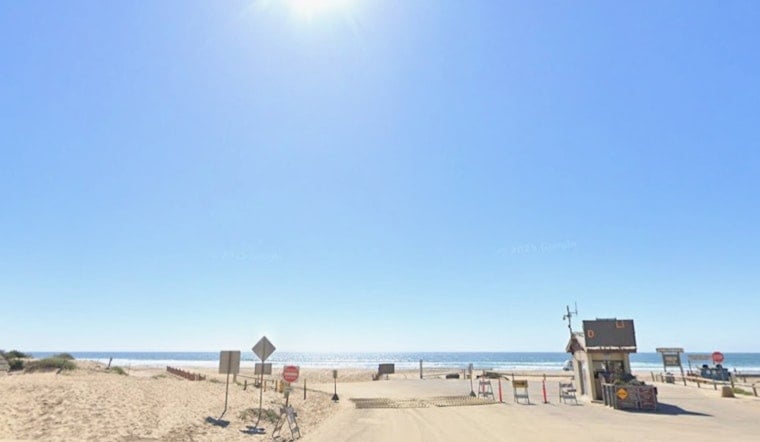
A long-simmering fight over off-road vehicles at Oceano Dunes has erupted into another courtroom clash, as a coalition of conservation groups and the Northern Chumash Tribal Council sued California State Parks on Friday over its newly approved habitat conservation plan.
The groups say the plan and its environmental review would allow accidental harming, or incidental take, of federally protected plants and animals while still preserving and expanding vehicle access across some of the Central Coast’s most sensitive dunes. They want a Sacramento judge to put the brakes on any further approvals until the state fixes what the complaint describes as serious violations of the California Environmental Quality Act, or CEQA.
What The Lawsuit Targets
The case, filed in Sacramento County Superior Court by the Center for Biological Diversity and the Northern Chumash Tribal Council, asks the court to throw out certification of the final environmental impact report and to block any additional project approvals tied to the plan until State Parks complies with CEQA. According to Courthouse News Service, the complaint focuses on State Parks’ recent approvals and its application for a federal incidental take permit.
What The Habitat Plan Actually Does
The Oceano Dunes habitat conservation plan covers roughly 5,005 acres spanning Pismo State Beach and the Oceano Dunes, and it lists a roster of covered species that includes the western snowy plover, California least tern, California red-legged frog and several endangered plants.
State Parks certified the plan on May 20, 2026, and the document is intended to support a 25-year incidental take permit, according to CEQAnet. The U.S. Fish and Wildlife Service, the agency that would issue that permit, took public comment on the draft earlier this year and has said the permit would authorize incidental take tied to covered park activities. The agency accepted comments through January 23, 2026.
Critics Say It Puts Cars Over Creatures
Plaintiffs argue the final environmental report brushed aside feasible alternatives, including a no-project option and reduced vehicle access, because the plan’s stated goals lean heavily on preserving and expanding motorized recreation.
They also contend that State Parks failed to set an appropriate CEQA baseline and played down how expanded vehicle access would affect nonmotorized recreation and fragile dune habitat. “This plan conserves off-roading, not habitat,” Jeff Miller, a senior conservation advocate at the Center for Biological Diversity, said in a statement reported by Center for Biological Diversity.
Earlier Court Rulings Set The Stage
This latest CEQA challenge lands on top of a series of federal rulings that have already tightened the leash on State Parks’ handling of off-road use at Oceano Dunes.
In November, a federal judge found that the department’s authorization of vehicles resulted in an unauthorized take of western snowy plovers. Then in April, a court barred vehicle recreation in parts of the dunes until an incidental take permit is in place. Coverage of that April order and the resulting partial closure, which stopped vehicles south of Arroyo Grande Creek and triggered campsite cancellations, was reported by SFGATE and KEYT.
What Happens Next In Court
In their new lawsuit, the plaintiffs are asking the court to vacate the environmental report’s certification and to freeze any project approvals linked to the habitat plan until the alleged CEQA problems are fixed. That would effectively stall State Parks’ push for a long-term incidental take permit.
As reported by Courthouse News Service, the groups say the recent federal rulings qualify as “significant new information” that should have triggered a revised environmental review. The timing and scope of any injunction will determine whether the department can keep moving forward with its permit application or has to return to additional analysis and public comment.
High Stakes On The Central Coast
On the ground, the fight over Oceano Dunes has split the Central Coast. Off-road riders and some local businesses warn that tighter restrictions will undercut tourism and park revenues. Tribal leaders and conservation advocates counter that decades of vehicle use have already chewed up habitat for rare plants and animals.
Local outlets have documented refunds for canceled campsites and tense public meetings as residents, business owners and advocates line up on opposing sides of the sand. For now, the new lawsuit adds one more legal hurdle while both sides wait for the Sacramento court to lay out the schedule for the next round.




