

























































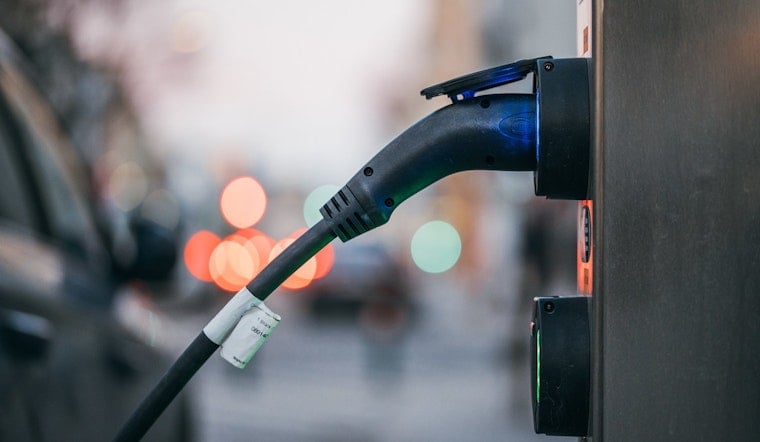
Oregon drivers who went electric to save on gas are about to start paying for the roads in a whole new way. Beginning July 1, 2027, many owners of electric passenger vehicles will have to choose between a per-mile road-usage charge or a higher registration fee. But the law that created the program left out a big piece of the puzzle: medium-duty commercial electric vans, including the ones dropping packages at your doorstep for the biggest corporate fleets. With the launch now less than 13 months away, state leaders and consumer advocates are already looking hard at whether that carveout survives.
House Bill 3991, signed in November 2025, sets up a phased rollout for the mandatory road-usage system. According to the Oregon Department of Transportation, existing electric vehicles must begin enrolling on July 1, 2027, while new EVs and plug-in hybrids get pulled into the system starting in 2028. ODOT says the goal is to patch a growing hole in the State Highway Fund as traditional gas-tax money shrinks.
The dollars at stake are not trivial. The Legislative Revenue Office projects roughly $90.4 million in road-usage payments in the 2027–29 biennium, with larger inflows after that as more vehicles enroll. That same analysis warns that costs for private account managers and the loss of some fuel and registration revenue will chip away at the net amount that actually lands in the highway fund.
When lawmakers scrambled to assemble the broader transportation package, though, they did not fold medium-duty commercial EVs into the first wave. In practice, that created an early exemption for parcel and delivery fleets. As reported by the Oregon Capital Chronicle, state registration data show Amazon and its affiliates hold roughly 11,000 to 11,200 medium-duty vans in Oregon and account for about 64% of all medium-duty vehicle registrations in the state.
How the fees work
Under HB 3991, passenger EV owners will face a choice at registration time: sign up for a per-mile charge or pay a higher flat registration fee. The OReGO program, which runs the pay-by-mile system, explains that drivers are billed through private account managers. Those managers track miles driven, carve out travel that happens outside Oregon, apply fuel-tax credits for plug-in hybrids, and then send the remaining revenue into the State Highway Fund. ODOT says that for most enrolled drivers the per-mile option pencils out to roughly 2 cents per mile.
Why delivery vans dodge the new charge
Most last-mile delivery vans, including the Rivian-built models used by Amazon, sit in an awkward middle ground. Their gross vehicle weight ratings are well below the 26,000-pound cutoff that triggers Oregon's weight-mile tax on heavy trucks, and because they do not use gasoline, they are not paying into the state fuel tax either. The enrolled bill details how weight-mile rules and changes to diesel and gas taxes apply to heavier vehicles, as laid out by the Oregon Legislature, while industry coverage of Rivian delivery vans shows gross vehicle weight ratings commonly in the roughly 9,000 to 9,500 pound range according to InsideEVs.
What is next for lawmakers
State officials insist the debate over which vehicles pay what is far from settled. The governor and transportation agencies are pulling together expert workgroups to study long-term funding options and draft recommendations for the 2027 legislative session. That process could lead lawmakers to pull medium-duty delivery fleets into the same road-usage program as passenger EVs or to design a separate fee structure aimed squarely at commercial operators.
The timeline is tight. The new charges will start hitting as drivers renew registrations, and any changes passed in the 2027 session will determine whether corporate delivery fleets ultimately get folded into the system. For now, it is everyday passenger EV owners who will cover the first wave of new payments while Oregon decides how, and how much, those big delivery fleets should pay for the pavement they roll on.





