

























































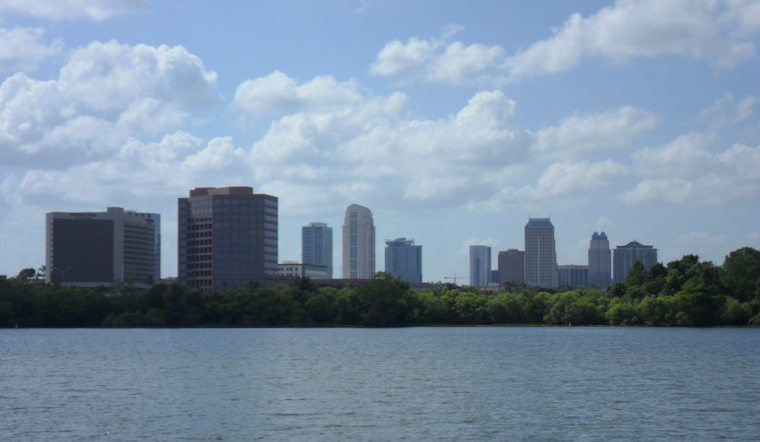
Saturday, June 20, started thick and soupy across Orlando, with temperatures around 75°F at Orlando Executive and dewpoints in the mid-70s. That steamy morning is setting the stage for a hotter, stormier day, with afternoon highs near 92°F and rising rain chances. Showers may pop up by late morning, with thunderstorms becoming likely later in the day. It will feel even hotter than the actual temperature, with heat indices expected to push into the 100-107°F range across many neighborhoods.
Afternoon Storms Likely
Showers could begin late this morning, then grow more widespread this afternoon and evening as sea-breeze boundaries collide and spark storms. Most downpours should be brief, dropping only a few tenths of an inch of rain, but forecasters warn that some stronger cells may unload 2-3 inches and produce strong wind gusts of 45-55 mph, with an isolated gust up to 60 mph not ruled out. Drivers should be ready for sudden drops in visibility and frequent lightning, especially around the afternoon commute. These conditions are outlined by the National Weather Service in Melbourne.
Heat Relief And Cooling Centers
The heat remains a problem even where showers roll through, so outdoor workers and anyone without reliable air conditioning should plan for a very uncomfortable afternoon. Orange County has lowered its heat-index activation threshold and expanded cooling options. When the heat index reaches 103°F, LYNX will begin offering free rides to designated cooling locations, and the county maintains a list of parks, libraries, and community centers that operate as cooling sites. Full county guidance and the list of locations are available from Orange County.
Commute And Outdoor Plans
The hottest and muggiest stretch will arrive in the early to mid-afternoon, with air temperatures around 92°F and heat indices in the low to mid 100s. That combination raises health risks for outdoor activity. At the same time, sea-breeze-driven storms may erupt with sudden heavy rain, frequent lightning, and strong, gusty winds, with some storms capable of producing 45-55 mph gusts that can quickly turn the afternoon commute into a headache. Boaters should keep a close eye on the sky for thunderstorms moving offshore, which can bring frequent cloud-to-water lightning and strong gusts that create dangerous small-craft conditions. Forecasters at the National Weather Service in Melbourne urge residents to monitor conditions and move plans indoors when storms approach.
Bottom line: drink plenty of water, push strenuous plans into the morning hours, and have a quick shelter option ready if storms build. If you develop symptoms of heat-related illness, get to an air-conditioned cooling site or call 911 in an emergency.





