

























































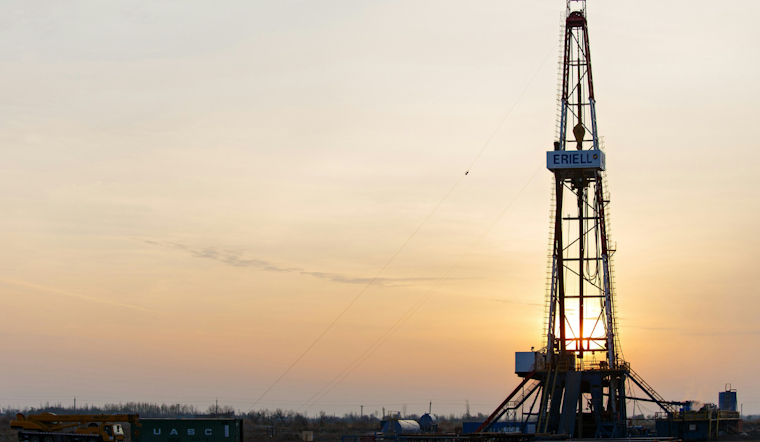
Pennsylvania is on track to pull in about $244 million from its natural gas impact fee for 2025, a near 50 percent jump over last year that will fatten checks to counties, municipalities and conservation programs. The bigger haul is tied to pricier gas and a wave of new wells that nudged many producers into steeper fee brackets.
According to the Independent Fiscal Office, the Public Utility Commission reported $243.9 million in impact fee collections for calendar year 2025, a 48 percent increase over the $164.6 million collected in 2024 and the highest total since $278.9 million in 2022. The IFO attributes the gain mainly to a higher fee schedule that kicked in when the NYMEX average price cleared $3.00, along with a 3.9 percent inflation adjustment. The office also calculated an effective tax rate of roughly 1.6 percent for 2025.
As reported by WPXI, the NYMEX average for 2025 climbed about 51 percent to roughly $3.43 per Mcf, which pushed many wells into the new, higher fee brackets. WPXI also notes Public Utility Commission data show about 12,504 wells were subject to the fee in 2025 and that there were 442 more wells than in 2024, a bump that helped lift collections.
Where the money goes
Counties, municipalities and the Household Assistance and Restoration (HARE) fund are in line to receive about $134.0 million, while the Marcellus Legacy Fund is slated to get roughly $89.4 million, according to the Independent Fiscal Office. State agencies and local conservation districts are set to receive smaller shares, and the IFO notes that fees are remitted in April and distributed in July. The report also shows the average fee per well rose to about $19,504 for 2025.
What to watch next
Local officials will not know county by county allocations until the Public Utility Commission posts detailed distributions in July, the Pennsylvania Business Report noted. Where collections land in 2026 will depend on whether NYMEX prices stay above the $3 threshold and whether drilling activity holds up.
For municipalities with tight budgets, the jump offers some breathing room, but it is also a reminder that this particular revenue stream rises and falls with volatile energy markets. Many local officials are expected to wait for the official July disbursement before locking in capital projects and public safety spending plans.





