

























































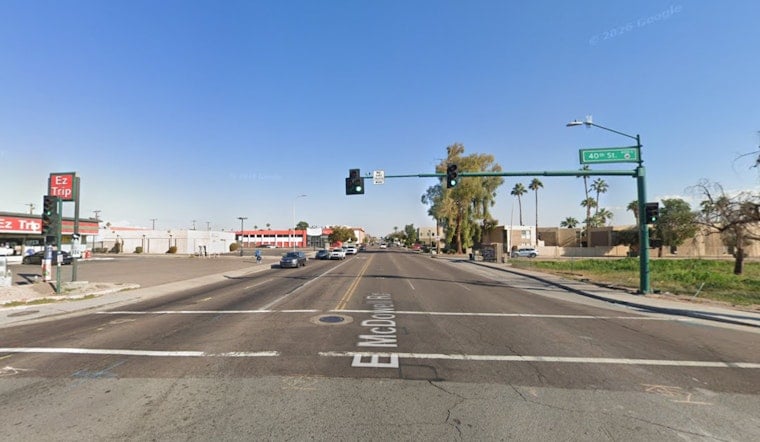
What the Maricopa County Sheriff’s Office hailed as a blockbuster marijuana bust, 76-year-old Thomas May describes as the day his lawful medical grow and retirement plans went up in smoke.
May says a high-profile July warehouse raid by the sheriff’s office swept up marijuana he was legally cultivating for patients and wrecked the income he relied on in retirement. In matching state and federal lawsuits, he alleges deputies detained and searched him and the units he used at a building near 40th Street and McDowell Road, seized his medical marijuana plants and products, trashed apartments and equipment, and left him injured and without rental revenue.
Lawsuits Say Deputies Hit A Licensed Caregiver Operation
As reported by Phoenix New Times, May held the master lease for a warehouse-style building at North 40th Street and East McDowell Road and filed separate complaints in state and federal court this month.
According to those complaints, deputies executed a warrant that named tenant Chad Arthur Carey but still searched May’s units. The lawsuits say deputies confiscated 45 marijuana plants, about 12 ounces of marijuana product that May says was intended for medical patients, his cell phone and roughly $15,000 in equipment.
May’s filings also allege deputies damaged parts of the property badly enough that he lost tenants and roughly $20,000 a month in rental income. After the raid, he says, he allowed two caregiver grow licenses to lapse.
Sheriff Called The Raid One Of The Largest
Sheriff Jerry Sheridan and the Maricopa County Sheriff’s Office publicly touted the July 9, 2025 operation as a major marijuana bust and shared photos from inside the building. Local TV coverage amplified that message: Fox 10 Phoenix and AZFamily reported deputies were talking about hundreds of plants and processed product valued at up to $2 million.
Warrant Named A Different Tenant, Lawsuit Says
May’s lawsuits take aim at how that warrant was used. They say the warrant named Carey and listed the building’s address but did not spell out which units could be searched, and they accuse deputies of going beyond what the warrant actually authorized.
The complaints identify Deputy Toni Nikolic as the officer who obtained the warrant and list her as a defendant in the cases.
Caregiver Rules And The Legal Gray Area
At the core of May’s argument is Arizona’s medical marijuana caregiver system. Under the state’s medical program, designated caregivers can grow and supply marijuana for qualifying patients, subject to specific limits and rules.
The Arizona Department of Health Services runs the registration program and issues guidance on how caregivers may legally cultivate and dispense marijuana, including an online portal for individual licenses and compliance information.
May Seeks Millions; Case Could Test Enforcement Practices
According to Phoenix New Times, May sent Maricopa County a notice of claim in January seeking more than $10 million, then followed up with matching state and federal lawsuits. The complaints seek compensatory damages for medical expenses, lost income and pain and suffering.
May told the outlet he is representing himself because he cannot afford a lawyer’s retainer. The lawsuits also say that, despite the heavily publicized raid, no criminal charges have been filed as a result.
Legal implications
In federal court, May alleges deputies exceeded the scope of the warrant and violated his constitutional rights. If a judge finds those claims have merit, the county could be on the hook for civil damages and face tougher questions about how deputies are distinguishing licensed caregiver operations from illicit grows.
“This is a major screw-up that they kept quiet for almost a year,” May told Phoenix New Times after filing his lawsuits.
The cases are still in their early stages and could take months to move through the courts. For now, the raid and the lawsuits highlight the ongoing tension in Arizona between aggressive drug enforcement and the state’s tightly regulated medical cannabis system.





