

























































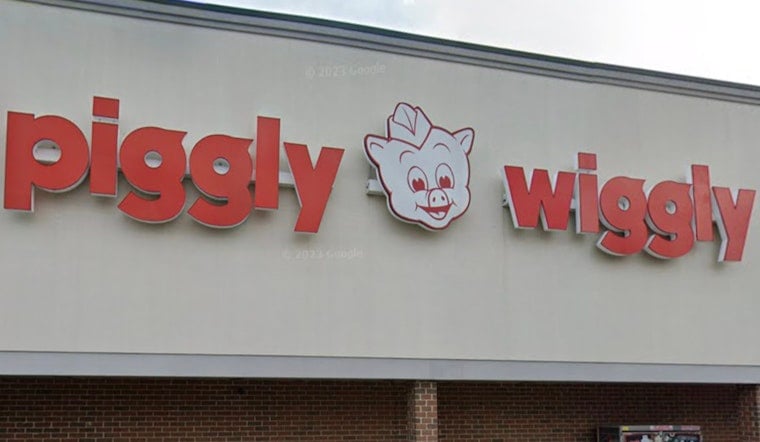
Whitewater may finally be on the verge of getting a full-scale grocery store. A New Berlin development firm has floated about a $10 million proposal that would bring a Piggly Wiggly and an on-site childcare center to a seven-acre, city-owned parcel along Bluff Road.
According to the Milwaukee Business Journal, the developer’s early concept pairs retail and early-childhood care in a single project. The outlet reports the city has been working for more than a decade to secure a grocer for that specific site, which has stayed stubbornly vacant despite repeat efforts.
Free Whitewater notes that the Common Council packet includes a letter of intent from Anderson-Ashton, naming Matthew J. Mehring as the company’s president. That LOI proposes using the Bluff Road parcel for the paired grocery and childcare development. It reportedly outlines terms for a land transfer along with an evaluation timeline that would run the project through the Planning Commission, the Community Development Authority and, ultimately, back to the Common Council.
What Happens Next
The project is still very much in the "idea on paper" phase. Any land transfer or development agreement would have to clear the Common Council and other city review bodies, and those conversations play out in public meetings with posted agendas and packets.
According to the City of Whitewater, the council met June 16, and the city’s Agendas, Minutes & Videos page hosts past meeting packets and streams. If this proposal moves ahead, residents can track each step of the review in those materials and at future meetings.
Why It Matters
Free Whitewater describes the city as a community of nearly 16,000 that has been wrestling with two persistent gaps: a neighborhood grocery store and additional childcare capacity. Supporters of the Bluff Road concept argue that putting both on one site could create jobs, funnel more customers to nearby businesses and trim the miles families now spend driving to shop and find daycare.
The letter of intent is just that: an opening move, not a binding development contract. Detailed financing, tenant leases and a construction schedule would all come later, and only if the city and the developer ultimately strike a formal agreement. For now, the proposal gives Whitewater a concrete option for land that has sat unused for years and sets the stage for a public review process that could stretch out over months.





