

























































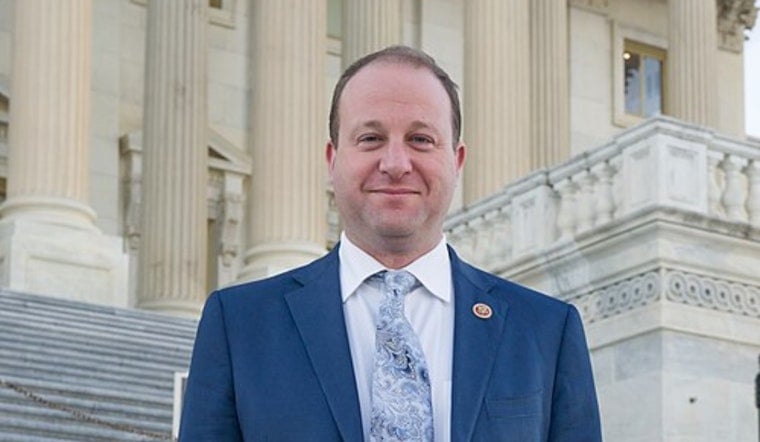
Gov. Jared Polis on Thursday declared a statewide drought emergency, throwing Colorado into Phase 3 of the state's drought response plan as record-low snowpack and an unusually warm spring leave rivers and reservoirs well below where they should be. The move opens the door to tighter coordination across state agencies, tougher water restrictions in some areas, and targeted support for farms, ranches, and communities already feeling the squeeze heading into summer.
In a statement to the Denver Gazette, Polis said, "Today, I am issuing a statewide drought emergency," framing the decision as a way to support Coloradans, the broader economy, and especially farmers and ranchers. He also ordered state agencies to cut water use at state facilities and urged residents to "use water wisely."
What the declaration actually does
Phase 3 is the highest activation level in Colorado's drought plan, and it instructs the Drought Task Force to coordinate emergency measures across state agencies. Entering Phase 3 can unlock additional state resources and make Colorado eligible to seek federal assistance, according to Colorado Sun.
How dry are we talking?
The latest map from the U.S. Drought Monitor, using data valid May 26, shows that all 64 Colorado counties are at least abnormally dry, with nearly 93% of the state in moderate-to-exceptional drought, according to the U.S. Drought Monitor. Those bleak numbers track with historically low mountain snowpack and early runoff that have already cut into reservoir storage and spring streamflows.
Farms, fish and fire: where it hits first
State climatologists and water officials told Colorado Sun that streamflows have already peaked in many river basins, a bad sign this early in the season. Lower, warmer water raises the risk of fish kills and strains irrigation supplies. Farmers and ranchers are already weighing tough decisions about planting, grazing, and herd size, while officials warn that dried-out fuels and parched terrain are setting the stage for a riskier wildfire season.
Local rules and what residents will notice
Some utilities and cities are not waiting around. Denver Water has laid out staged shortage responses and temporary drought pricing on its website, according to Denver Water. Aurora has moved to Stage 1 mandatory restrictions that limit outdoor irrigation and impose penalties for violations, according to Sentinel Colorado. For residents, that likely means tighter watering schedules, possible surcharges, and more active enforcement if the clouds do not cooperate.
The Drought Task Force will keep meeting and recommending targeted actions as new data and local impacts roll in, and state leaders say they will adjust measures in response to on-the-ground conditions, officials told the Denver Gazette. This remains a developing story, with more specifics expected from state agencies in the coming days.





