

























































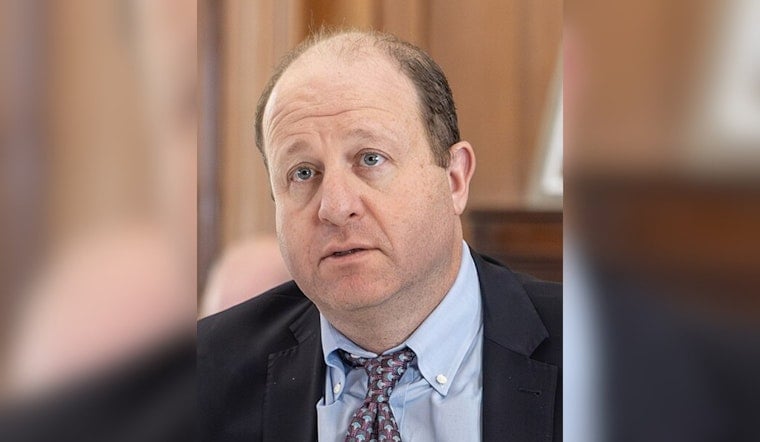
Gov. Jared Polis’ administration is sending roughly $30 million to Colorado towns, counties, and tribal governments to help them adopt climate-focused policies and launch local clean energy projects. The awards are meant to cut greenhouse gas emissions, improve air quality, and lower costs for residents by updating building codes, land use rules, transportation plans, and waste policies. State officials say the program is built to pair new policies with on-the-ground pilot projects so communities are not just paying for plans that gather dust.
How the program works
The money comes from the federally backed Local IMPACT Accelerator. The second and final award round distributed about $30 million to 18 jurisdictions and brings total program spending to roughly $51.7 million, according to a Colorado Governor’s Office statement. The Accelerator is structured, according to the Colorado Energy Office, to support both policy adoption with awards of around $200,000 and implementation grants that can reach about $1.8 million, with reduced match requirements for low-income communities and Tribal governments. Colorado Energy Office staff say they prioritized proposals with strong local backing and the greatest potential for long-term impact.
Where the money is headed
The latest round funds projects in four sectors, buildings, land use, transportation and waste, and includes a mix of policy work, technical studies, and small pilots. As reported by the Denver Gazette, Aspen is leading a cohort of 10 jurisdictions that plan to adopt advanced all-electric building codes, while Alamosa County is targeting land use code changes to support solar and geothermal projects. The Ute Mountain Ute Tribe will use funds for a transit assessment and fleet electrification, and the City of Lakewood and Town of Silverton will work on pay-as-you-throw waste policies, the paper notes.
A closer look: Adams County
Adams County detailed its share of the money in a local announcement, saying it received $2,040,000 to update renewable-friendly land use codes and run three transportation pilots: solar-powered e-hubs, free RTD passes for selected affordable housing communities, and an e-bike voucher program, according to an Adams County press release. County leaders said the award is meant to clear permitting barriers for utility-scale renewables and expand access to cleaner transportation options for income-qualified residents. Officials framed the effort as pairing policy change with visible pilots that could be scaled across the Front Range if they work.
Why state leaders say it matters
The governor’s office noted in January that Round 1 awarded $21.6 million to 17 projects and that the Colorado Energy Office expected to distribute roughly $30 million more in a second round, together totaling about $51.7 million, according to a Colorado Governor’s Office statement. Officials argue the grants help turn high-level climate goals into locally tailored policies and pilots, covering everything from building codes to waste reduction ordinances, that can deliver measurable emissions cuts and affordability benefits. Materials from the Colorado Energy Office emphasize stakeholder support and practical readiness as criteria meant to boost the odds that jurisdictions will actually follow through.
What to watch next
The Colorado Energy Office has posted a summary of Round 1 and Round 2 awardees and project descriptions on its website, and advocates, utilities, and local planners will be watching to see how quickly towns adopt new codes and stand up pilot projects. For the full list of projects and descriptions, see the Local IMPACT Accelerator page.





