

























































Ohio’s race for governor comes with a very real side quest: figuring out how to keep the state’s roads drivable without asking drivers to pay more at the pump. Both leading candidates have sketched out different fixes for a growing transportation funding crunch, and both have already ruled out the politically explosive option of a higher gas tax.
Local officials say the clock is ticking. Rising construction costs, shrinking buying power from fuel taxes, and heavy reliance on federal dollars have left the state juggling how to pay for resurfacing, bridge work, and basic maintenance. The next governor’s choices on tolls, fees, public-private deals, or budget cuts could decide how many potholes actually get filled this fall and in the years ahead.
Where the candidates stand
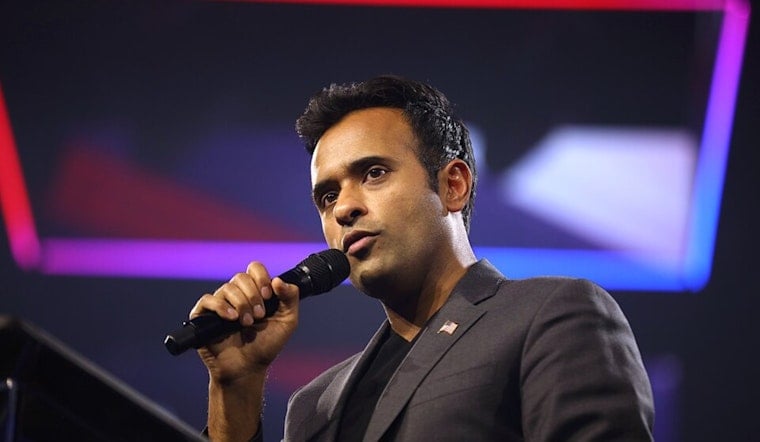
Amy Acton’s campaign says she does not support another gas tax hike. Instead, she would lean on public-private partnerships and targeted deals to move big projects forward without adding to everyday Ohioans’ tax burden, her spokeswoman, Addie Bullock, told reporters. Vivek Ramaswamy’s team is taking a similar line on fuel taxes, ruling out an increase and arguing he would look to cut what he calls “bureaucratic bloat” and eliminate waste in order to free up money for roads, according to spokesman Evan Machan.
Those broad positions, and the lack of detailed new revenue proposals so far, were outlined in reporting from Cleveland.com.
The funding math
State transportation documents show roughly $8.33 billion earmarked for highway construction and maintenance for the two-year period that begins in July 2025. A big share of that pot depends on federal aid and on receipts from Ohio’s gas and diesel taxes.
In recent financial materials, the Ohio Department of Transportation explains that those federal dollars and state motor fuel taxes together supply most of the money for highways, even as inflation and rising construction costs are steadily eroding what that money can actually buy. ODOT also notes that extra fees on electric and hybrid vehicles are expected to bring in more revenue over time, but those fees are projected to cover only a small slice of the longer-term gap. These trends are laid out in the agency’s fiscal reporting and budget documents from the Ohio Department of Transportation.
Tolls and alternatives on hold
In a 2023 review, ODOT sketched out more than 30 possible ideas for raising transportation revenue and highlighted about 10 options as higher priorities, including indexing the gas tax to inflation and raising vehicle registration fees. Some of the more high-profile ideas, such as new statewide tolling, remain politically touchy.
Earlier this year, the agency put a planned $2.5 million statewide tolling feasibility study on hold after lawmakers raised questions about the cost and fairness of tolls. That decision effectively took tolling off the near-term agenda even as ODOT’s own analyses warn that Ohio will face persistent transportation funding pressure without new revenue sources or major policy changes. Reporting on the pause in the tolling study is available from Roads & Bridges.
What to watch next
So far, both campaigns have offered broad themes for fixing Ohio’s road budget but have not laid out many bill-by-bill specifics for how to close the projected gaps. That leaves the next governor and the General Assembly to hash out a set of politically painful tradeoffs over the next budget cycle.
The stakes are not abstract for counties and cities that schedule resurfacing and bridge projects years in advance. As Cleveland.com reported, local officials and budget analysts say the looming debates over fees, tolls or indexing taxes to inflation could determine whether routine maintenance keeps up or falls behind.
With the biennial state budget clock already running and construction contracts in motion, transportation finance is shaping up as an early test of whether either campaign can turn talking points into a plan that lawmakers will actually pass. For drivers, the outcome will show up less in speeches and more in the daily commute: smoother pavement and faster fixes, or longer waits and more costly repairs later.





.jpg)