

























































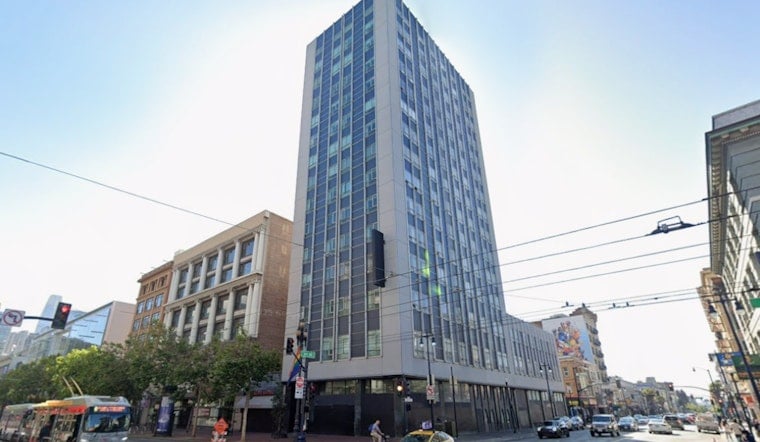
For a while, a 16-floor experiment in downtown San Francisco looked like the future of live-work life for founders, researchers and artists. Robot fights, bio-hack nights and back-to-back meetups stacked vertically in a single high-rise. Now, some of those same floors are going quiet as a leadership fight pulls people out and leaves once-busy spaces sitting dark. The tug-of-war is putting a core question to the test: what happens to a utopian community once real estate, fundraising and control take center stage?
Frontier Tower bills itself as a 16-floor "vertical village" where paid memberships, branded as citizenships, unlock access to labs, events and shared infrastructure. The project operates out of a converted downtown office tower and runs a founder residency that connects to nearby coliving spaces, according to Frontier Tower.
How the floors were supposed to work
The original design was part coworking experiment, part governance workshop. Each themed floor would largely run itself: floor leads were expected to recruit members, curate programming and manage shared lab spaces, while a central operations team handled the building-wide infrastructure. A tower lead described the money flow as giving roughly 20% of membership revenue to floor leads as startup capital, with the tower taking small fees on events and rentals, according to Devinder Sodhi’s LinkedIn post.
Fractures and departures
That loose, self-organizing structure has not aged gracefully. Leaders and multiple members from the Robotics and Hard Tech, Makerspace and Human Flourishing floors have left, and some levels are now effectively empty. Former Human Flourishing co-lead Mingzhu Heseri told the San Francisco Chronicle, "They said there will be joint ownership. Instead, they have chased out the high-value communities that helped them build the space." Founders involved with the project say certain changes were triggered by worries over intellectual property and a push to professionalize how the tower is run.
Investors, demo day and startups
Even as the internal rifts widened, investor outreach never really slowed. The tower continued hosting residency demo days and pitch events aimed at VCs and founders, with one company post on the tower’s LinkedIn page boasting that more than 200 VCs had already confirmed for a recent demo day. The tower’s own site also highlights that founders tied to the project have raised capital and that organizers claim collectively over $150 million raised by associated founders, according to Frontier Tower. Those investor relationships help explain why control over individual floors and their IP turned into such a sensitive fault line between organizers and members.
Why it matters
The strain inside Frontier Tower mirrors a broader pattern in recent networked, pop-up style communities where experimental governance runs straight into investor expectations. Similar tensions surfaced in earlier "pop-up city" projects that tried to pioneer new approaches to coordination and ownership, only to buckle under disputes around fundraising and who actually calls the shots, as reported by The Information. Frontier’s trajectory is now a live test of whether an intentionally designed urban community can avoid drifting back into familiar landlord-tenant patterns once money and scale enter the equation.





