

























































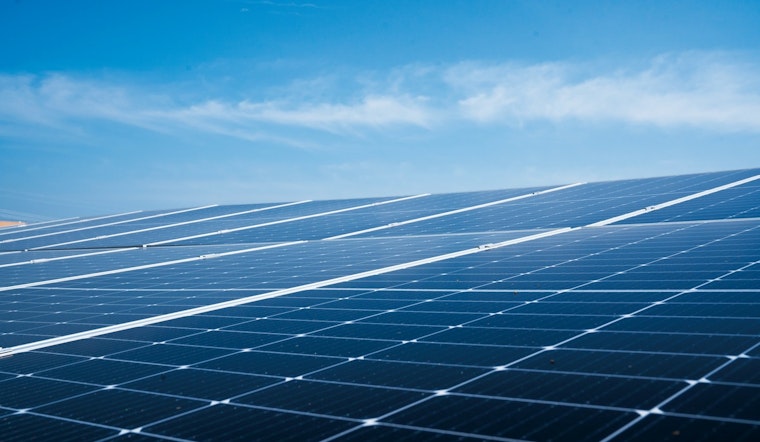
More than $5.2 million is being poured into solar microgrids and battery backups at safety-net clinics across southern Florida so they can keep their doors open when hurricanes or prolonged outages knock out the grid. The initiative will equip nine federally qualified health center sites with on-site power designed to preserve vaccines, run medical equipment and sustain basic patient services when the grid fails. Clinic leaders and emergency managers say the upgrades are meant to blunt the worst public-health fallout that tends to follow a major storm.
The funding is part of Direct Relief’s Power for Health program and will place resilient power systems at nine federally qualified health center sites across seven counties, according to Direct Relief. The projects combine rooftop solar, battery storage and microgrids sized to protect cold chains and other critical electrical loads. Site selection, along with the statewide vulnerability assessment that shaped the plan, was facilitated by the Florida Association of Community Health Centers, per a joint FACHC and Clean Energy Group report.
First installs already online
Two Power for Health installations are already complete: a solar-plus-battery microgrid at Treasure Coast Community Health’s Fellsmere clinic and a resilient system at Osceola Community Health Services in Kissimmee. Together, those finished projects account for roughly $885,000 in investment so far. The Fellsmere setup, documented in industry coverage, is about 46 kW of solar paired with a 214 kWh battery that can keep critical loads running for nearly 19 hours, according to Microgrid Knowledge. PayOli Solar led that installation, which includes several years of operations and maintenance covered under the grant.
Miami-Dade gets the biggest share
Roughly $2.3 million of the statewide investment is headed to three projects in Miami-Dade County, and the single largest grant, more than $1.35 million, is designated for Miami Beach Community Health Center, Direct Relief says. Installation work across the portfolio is being handled by Florida developers PayOli Solar and SALT Energy, along with Colusa Indian Energy, according to the release. Direct Relief also reports that five additional projects are in active installation or commissioning phases, representing nearly $2 million more in resilience investments across the state.
Why the upgrades matter
The scale of the need is laid out in FACHC’s statewide assessment, which found that more than 60% of health-center sites reported having no on-site backup power and that most existing systems rely on diesel generators vulnerable to fuel shortages, according to the FACHC and Clean Energy Group report. Those gaps show up as lost appointments, spoiled vaccines and added costs when storms force closures, vulnerabilities the microgrid grants are intended to reduce. FACHC and clinic leaders say covering upfront costs and initial operations is often the main barrier these projects remove.
Clinic executives and emergency managers say solar-plus-storage reduces reliance on diesel, shortens recovery time after outages and can trim long-term operating costs. FACHC’s emergency-management team has described the projects as a model for hardening care networks and has urged pairing private grants with public hazard-mitigation funding to scale up resilience across Florida. Organizers say the program’s mix of completed, active and planned sites is expected to offer a template for other hurricane-prone states grappling with similar vulnerabilities.



