

























































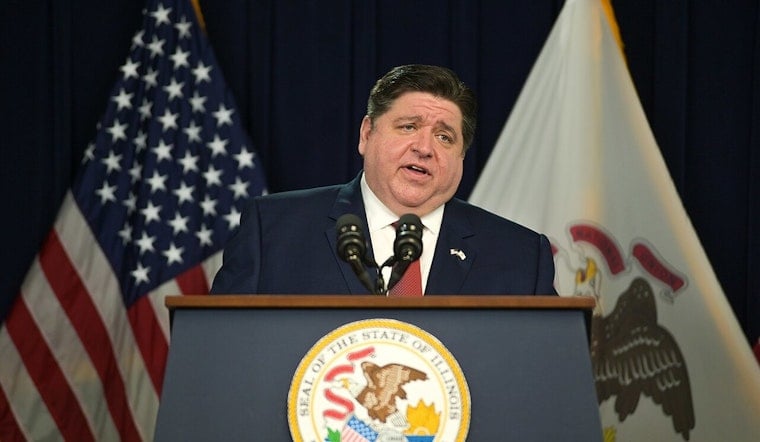
On Pride Sunday in Chicago, Gov. JB Pritzker turned a celebratory reception into a policymaking moment, signing three bills aimed at strengthening protections and access to care for LGBTQ+ Illinoisans just hours before the city’s parade stepped off. The package focuses on medical privacy around gender-affirming care, broader insurance coverage for prescribed hormone therapy and a streamlined process for updating gender markers on state IDs. Supporters say the changes are designed to cut red tape and lower the risk of surveillance for transgender and gender-expansive people, including those who travel to Illinois for care.
Pritzker signed the measures at a Chicago Pride Parade reception at El Mariachi Tequila Bar & Grill on North Broadway, shortly before the parade began. He praised Illinois’ track record on LGBTQ protections, saying, “Illinois truly does step up and protect our LGBTQ+ community,” according to CBS Chicago.
What the bills change
HB4834 removes testosterone from the state’s Prescription Monitoring Program, blocks estrogen and certain abortion-related or hormone-suppressing drugs from being added to that database, and directs the Department of Human Services to purge existing testosterone prescribing records by Jan. 1, 2027, as outlined by the Illinois General Assembly.
HB5492 requires insurance policies regulated by the state to cover up to a six-month supply of prescribed hormone therapy, along with the supplies needed for self-administration. That coverage mandate is set to take effect Jan. 1, 2028, according to reporting and advocacy notices.
The third measure, HB5095, creates a short gender-designation form and lets applicants choose “male,” “female” or “X” on a state ID without having to provide additional documentation, per the Illinois General Assembly.
Advocates praised the measures
Equality Illinois, Planned Parenthood and other advocacy groups welcomed the bills as practical tools that both expand access and limit intrusive tracking of patients. “This legislation provides uninterrupted access to essential hormone therapy,” said Margot Riphagen-Dun of Planned Parenthood Great Rivers Action, with advocates framing the changes as measures of dignity and safety for people seeking care, as reported by Windy City Times.
During debate on the bills, some Republicans raised concerns that removing medications from the state’s monitoring program could weaken an important oversight tool, arguing that tracking prescriptions helps catch potential abuse. That opposition surfaced repeatedly in committee hearings as lawmakers weighed the tradeoff between privacy protections and prescription oversight.
Implementation and timeline
The bills take effect upon becoming law, but each includes a built-in runway so agencies and insurers can adjust. HB4834 requires the Department of Human Services to update rules and purge the specified prescription data by Jan. 1, 2027. The expanded insurance coverage for hormone therapy under HB5492 is phased in with a Jan. 1, 2028 effective date for state-regulated plans.
State officials and advocacy groups say they plan to track implementation closely, from how prescription data is handled to how clerks at DMV counters process the new gender-designation forms. For many Chicagoans and other Illinois residents who rely on gender-affirming care, the package represents a concrete set of changes that backers argue will reduce bureaucracy and privacy risks. Pritzker has framed the trio of bills as another step in positioning Illinois as a state that protects LGBTQ+ residents and their access to health care.




