

























































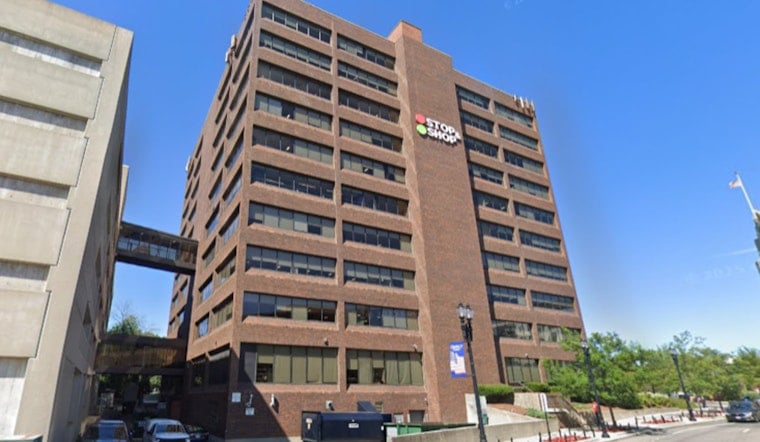
Ahold Delhaize USA, the Quincy-based parent of Stop & Shop, Giant, Hannaford and Food Lion, has agreed to shell out $40 million to settle federal and state claims that its supermarket pharmacies reported inflated prescription prices to government healthcare programs. At the center of the fight are discount "prescription savings" programs whose lower cash prices, authorities say, should have been reported as the pharmacies' "usual and customary" charges, which help determine what Medicare Part D, Medicaid and TRICARE pay back.
What the Justice Department says
According to the U.S. Department of Justice, Ahold Delhaize USA will pay $40,000,000 to resolve False Claims Act allegations that its in-store pharmacies failed to report discounted program prices as their usual and customary prices on claims submitted to federal healthcare programs. The federal share clocks in at about $32.9 million, with the balance going to participating states, and whistleblower pharmacist Lawrence LaBenne is set to receive $6,083,587 as the relator in the qui tam case.
"Federal healthcare programs rely on pharmacies reporting accurate pricing information used in the applicable payment formulas," Assistant Attorney General Brett A. Shumate said in the department's announcement, according to the U.S. Department of Justice.
Company response
Ahold Delhaize has told industry outlets that the deal puts long-running billing questions to bed and that it "admitted no wrongdoing" while working with investigators. Company representatives say the discount programs at issue were wound down years ago and argue that paying the settlement is preferable to a drawn-out legal brawl, per reporting by TheStreet.
How this fits a larger trend
The dust-up is not happening in a vacuum. Enforcement focused on "usual and customary" pricing has already produced a string of high-profile settlements, as whistleblowers and regulators question how pharmacies treat discount-club and savings-program prices. Past cases built on similar theories include a Kmart qui tam settlement in 2018 and other sizable actions that have pushed regulators to take a harder look at how chains report discounted cash prices, according to analysis by legal commentators at Ropes & Gray.
Legal implications
The agreement resolves civil claims under the False Claims Act and provides releases for the covered conduct, but it explicitly leaves the door open for criminal liability and other enforcement tools and does not count as an admission of liability by Ahold Delhaize USA. The settlement also spells out the relator's share, how attorneys will be paid, and the formulas for distributing money to participating states, according to the U.S. Department of Justice.
What to watch next
Guidance from DOJ earlier this month signaled a plan to speed up review of sealed False Claims Act qui tam cases that involve state benefit programs, which could mean quicker intervention decisions in future pharmacy pricing disputes. Legal commentators say companies running in-store pharmacies and public-facing discount programs should brace for closer scrutiny of how they report cash and savings-program prices to federal payers.


