

























































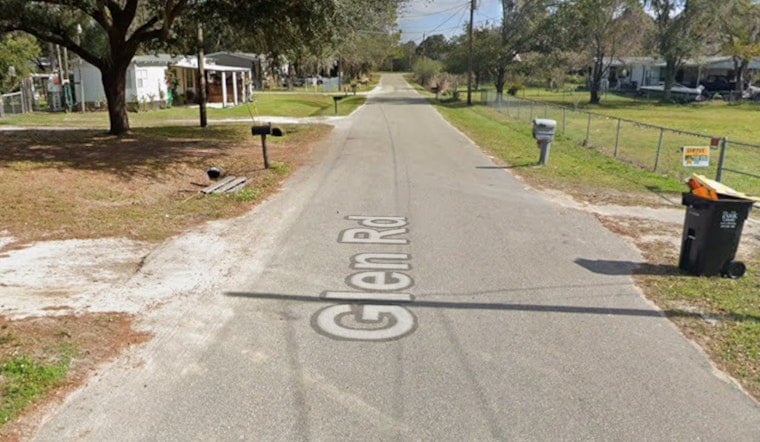
A rabid stray cat turned a quiet stretch of Glen Road in north Lakeland into a public health scare this week, biting five people and mauling a 4‑month‑old puppy, according to officials. The cat was later found dead under a home, and the state laboratory in Tampa confirmed on Friday that it was positive for rabies. Authorities say a neighbor who had been feeding and naming multiple cats in the area was identified and cited, and at least one family dog has been placed in quarantine as a precaution.
According to Polk County Animal Control's report, the unprovoked encounters began in the first week of June and involved both kids and adults, as reported by FOX 13 Tampa Bay. Victims include a 29‑year‑old man bitten on his legs at the caretaker's home, a 33‑year‑old woman bitten on the finger who later defended herself with a baseball bat when the cat charged her, a 16‑year‑old girl bitten while trying to play with the animal, a 9‑year‑old girl bitten outside her home, and a 13‑year‑old boy ambushed at the end of his driveway. The same cat also attacked a 4‑month‑old puppy outside the caretaker's home. Animal control officers initially set traps that snagged 10 unrelated stray cats, which were separated into kennels. The caretaker, identified in the report as 31‑year‑old Angelica Perez, was cited for allowing cats to roam, failing to vaccinate the animal, and negligence resulting in injury.
"This unvaccinated roaming stray cat with rabies attacked and bit five people, and that speaks for itself," Sheriff Grady Judd said, according to FOX 13 Tampa Bay. Investigators say they found the dead cat under a Glen Road home on June 11, and the state lab confirmed the positive rabies result the next day.
What the county ordinance requires
Polk County's animal control ordinance requires that dogs and cats four months and older be vaccinated against rabies and bars animals from running at large, according to Polk County Animal Control. The code authorizes officers to impound and quarantine animals and to cite owners when their pets pose a public health risk.
Health risks and treatment
Rabies is almost always fatal once clinical symptoms appear, but timely post‑exposure prophylaxis (PEP) can prevent the disease. The Centers for Disease Control and Prevention says PEP typically includes careful wound care, human rabies immune globulin, and a four‑dose vaccine series, and it recommends immediate medical evaluation for anyone bitten or scratched by a potentially rabid animal, per CDC guidance.
Local context and how to report exposures
Polk County has logged several confirmed rabies cases so far this year, most involving bats, and the sheriff's office has urged residents to avoid contact with wild or roaming animals, according to the Polk County Sheriff's Office. Polk County Animal Control asks anyone with a possible exposure, or who spots sick or aggressive animals, to call 863‑577‑1762 or visit the shelter at 7115 De Castro Road in Winter Haven for guidance and quarantine steps, per the county's animal‑services information.
Officials also stressed that feeding roaming animals can create public safety hazards and urged residents who care for community cats to humanely trap, vaccinate, alter, and register them with animal control. Anyone who is bitten should seek medical attention right away and contact Polk County Animal Control so health officials can determine whether PEP or quarantines are needed.




